 how-to
How Long Does Roof Rejuvenation Last: A Homeowner's Guide
Table of Contents
- How Long Does Roof Rejuvenation Last
- How Many Years Does Roof Rejuvenation Add to Your Roof
- Factors That Affect Roof Rejuvenation Durability
- Roof Rejuvenation vs Roof Replacement: Which Lasts Longer
- Signs a Roof Needs Replacement Instead of Rejuvenation
- Understanding the Roof Rejuvenation Process
- Maximizing Your Roof Rejuvenation Results
- Frequently Asked Questions
Last Updated: October 10, 2026
How Long Does Roof Rejuvenation Last
Roof rejuvenation last typically extends your roof's life by 6-8 years, buying time before full replacement becomes necessary.
FRESH TEC LLC helps homeowners understand that rejuvenation restores flexibility to aging asphalt shingles by replenishing oils that weather and UV exposure strip away. When applied professionally, it adds meaningful years to structurally sound roofs.
The key question is whether rejuvenation makes sense for your roof.
How Many Years Does Roof Rejuvenation Add to Your Roof
Most roof rejuvenation treatments extend your roof's serviceable life by 6-8 years when applied to a roof in fair to good condition. Think of it as resetting the aging clock, not stopping it, your roof continues to weather but more slowly. Restored shingle oils improve flexibility and water resistance, the two factors that matter most for longevity.
The exact lifespan extension varies based on:
- Your roof's condition before treatment
- Local climate and weather patterns
- How well you maintain gutters and drainage
- Whether the roof receives regular inspections
Factors That Affect Roof Rejuvenation Durability
Several conditions influence how long your rejuvenation treatment actually lasts and how much benefit you'll see.
Roof Age and Condition
A younger roof (10-15 years old) responds better to rejuvenation than an older one.
If your roof is already 20+ years old, rejuvenation becomes less effective. The shingles have suffered more structural damage beyond just oil loss.
Pre-treatment inspection matters. A professional assessment reveals whether your roof is a good candidate. Roofs with extensive curling, missing shingles, or visible leaks won't benefit from rejuvenation alone.
Climate and Weather Exposure
Harsh climates age roofs faster. High UV exposure, temperature swings, and heavy rain all accelerate weathering. In these environments, rejuvenation treatments may not last as long as the 6-8 year baseline.
Conversely, milder climates extend the life of both your original roof and the rejuvenation treatment. Less extreme weather means slower degradation.
Wind exposure also matters. Roofs in windy areas experience more physical stress on shingles, which can reduce the lifespan of any treatment.
Roof Pitch and Maintenance
Steeper roofs shed water more effectively, which protects shingles from standing water and algae growth. A steep pitch can add years to your rejuvenation results.
Flatter roofs hold water longer, which accelerates deterioration. If your roof is low-pitched, regular maintenance becomes even more critical.
Gutter cleaning and drainage maintenance directly affect how long rejuvenation lasts. Clogged gutters trap water against shingles, undoing the benefits of any treatment.
Roof Rejuvenation vs Roof Replacement: Which Lasts Longer
A new roof lasts 20-25 years; rejuvenation adds 6-8 years to your existing roof. But longevity is only part of the decision, the real comparison involves total cost, timing, and what happens after rejuvenation expires.
The Long-Term Cost Picture
Consider a 12-year-old roof with 8-10 years of remaining life:
Rejuvenation: Gains 6-8 years now; in 6-8 years, you face another decision. A second application may add 4-6 more years but with diminishing returns. Eventually, replacement becomes unavoidable.
Replacement: Costs more upfront but lasts 20-25 years with peace of mind and warranty coverage. No repeat treatments needed.
When Rejuvenation Makes Financial Sense
Rejuvenation is the stronger choice if:
- Your roof is 10-18 years old and structurally sound
- You plan to stay in your home 6-8 more years (or longer if a second treatment is an option)
- Budget constraints make replacement difficult right now
- You want to defer a major expense while maintaining roof performance
- You value an eco-friendly option using plant-based technology
- Your roof shows no active leaks, missing shingles, or structural damage
When Replacement Is the Better Investment
Replacement wins if:
- Your roof is 20+ years old and showing age-related wear
- You're seeing active leaks, water stains, or major damage
- You plan to stay long-term and want to eliminate roof concerns for 20+ years
- You want a comprehensive warranty covering materials and labor
- You're selling your home soon and want a roof that adds resale value
- The cost difference between rejuvenation and replacement is small enough that the longer lifespan justifies it
The Repeat Treatment Factor
One critical variable competitors often gloss over: rejuvenation may be repeatable, but each application has diminishing returns. A roof that responds well to first-time rejuvenation at age 12 may respond less effectively to a second treatment at age 18-20.
If your roof is already 18+ years old, a second rejuvenation application is less likely to deliver the full 6-8 year extension.
A Realistic Timeline Comparison
Scenario: 12-year-old roof, structurally sound
- Year 0: Rejuvenation applied (cost: low)
- Year 6-8: Roof reaches end of rejuvenation benefit; second treatment considered
- Year 6-8: If second rejuvenation applied (cost: low), roof gains 4-6 more years
- Year 12-14: Roof likely needs replacement (cost: high)
- Total timeline: 12-14 years; multiple decisions required
Scenario: 12-year-old roof, replacement instead
- Year 0: Full replacement (cost: high)
- Year 20-25: Roof reaches end of life; replacement needed again
- Total timeline: 20-25 years; one decision made
FRESH TEC LLC uses patented plant-based GreenSoy™ Technology for rejuvenation, which restores shingle flexibility without harsh chemicals. This approach is ideal for homeowners who want to extend their roof's life affordably while protecting the environment, especially if they're not ready for the expense of full replacement.
The right choice depends on your roof's current condition, your timeline, and your financial situation. A professional inspection will clarify whether your roof qualifies for rejuvenation and help you weigh the long-term implications of each path.
Signs a Roof Needs Replacement Instead of Rejuvenation
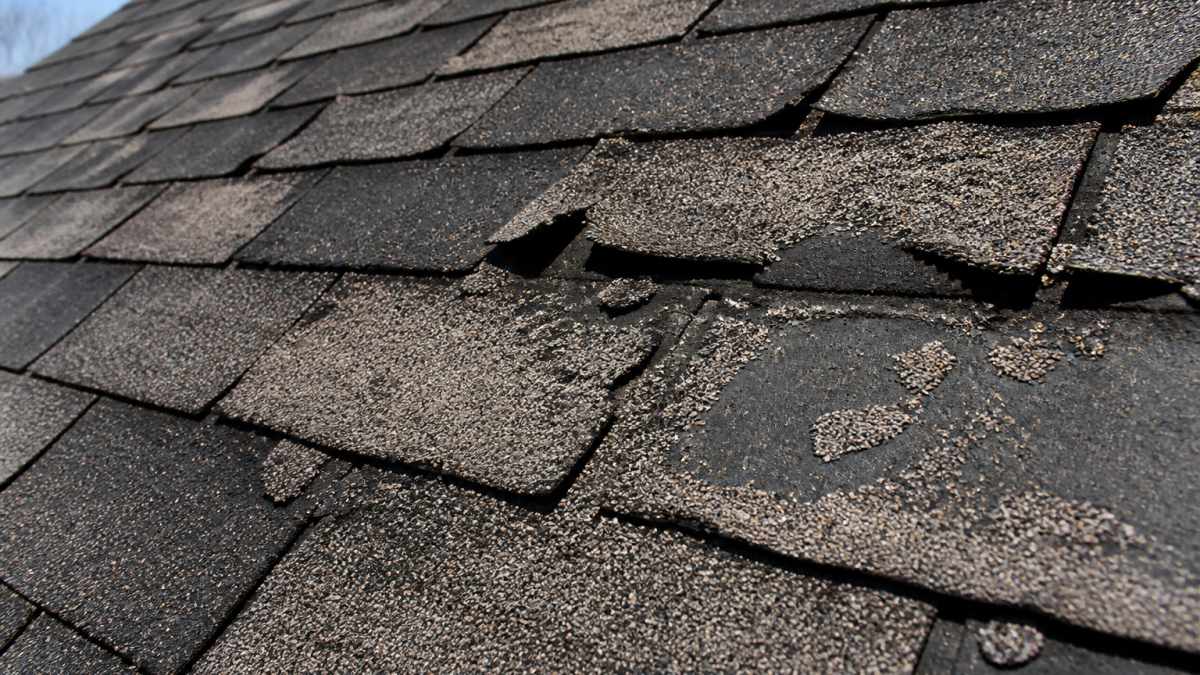
Rejuvenation works only on roofs that are aging but structurally intact. If your roof has crossed into the damage or failure zone, rejuvenation will not solve the underlying problems. Knowing the difference prevents wasting money on a treatment that won't work.
Roof Rejuvenation Eligibility Checklist
Use this checklist to assess whether your roof is a candidate for rejuvenation. Your roof should meet most or all of these criteria:
Structural Integrity:
- No visible sagging, dips, or areas where the roof line appears uneven
- No soft spots or areas that feel spongy when walked on
- Roof decking is solid; no visible rot or water damage to underlying wood
- Flashing around chimneys, vents, and skylights is intact and not leaking
Shingle Condition:
- Shingles are present across 95% or more of the roof surface
- No more than a few isolated missing shingles (not large patches)
- Shingles lie flat; minimal or no curling at the edges
- Granule loss is visible but not extensive (you see some texture remaining)
- No large cracks, splits, or breaks in multiple shingles
Water Integrity:
- No active leaks inside your home
- No water stains on ceilings or interior walls
- No mold or mildew growth in the attic
- Gutters and downspouts are functioning and not backed up
Age and History:
- Roof is between 10-20 years old (or within the manufacturer's stated lifespan)
- No previous major repairs or patches covering large areas
- Original shingles are still in place (not a patchwork of replacements)
If you checked fewer than 10 boxes, rejuvenation is unlikely to be effective. Proceed to the warning signs below.
Warning Signs That Replacement Is Necessary
If your roof shows any of these conditions, rejuvenation will not solve the problem. Replacement is the only reliable fix:
Critical damage (any one of these disqualifies rejuvenation):
- Shingles that curl upward sharply at the edges across large sections
- Large patches of missing granules, exposing the black mat underneath
- Visible cracks, splits, or breaks in 10+ shingles or across multiple areas
- Active leaks inside your home or fresh water stains on ceilings
- Sagging areas, dips, or visible structural damage to the roof deck
- Moss or algae growth covering 25% or more of the roof surface
- Shingles that are brittle and break easily when touched or walked on
Age-related disqualification:
- Roof is 22+ years old (most asphalt shingles are near or past their design life)
- Manufacturer's warranty has expired and the roof shows widespread wear
- Previous rejuvenation was applied 8+ years ago and the roof is showing renewed deterioration
Structural concerns:
- Visible rot, mold, or water damage in the attic
- Soft spots or areas that feel unstable when walked on
- Sagging or uneven roof line
- Evidence of prior water intrusion or interior damage
How to Conduct Your Own Pre-Inspection Assessment
Before calling a contractor, perform a visual inspection from the ground and, if safe, from a ladder:
-
From the ground: Use binoculars to examine the roof from all sides. Look for missing shingles, curling, discoloration, and moss or algae growth.
-
From a ladder (if safe): Get close enough to touch shingles and assess their flexibility. Healthy shingles bend slightly; brittle shingles crack or break.
-
Check the gutters: Look for granules (small, sand-like particles) in the gutters. Excessive granule loss indicates advanced aging.
-
Inspect the attic: If accessible, look for water stains, mold, or daylight coming through the roof deck. These are signs of active leaks.
-
Note the age: If you know when the roof was installed, compare it to the typical lifespan of asphalt shingles (15-20 years). Roofs near or past this age are less likely to benefit from rejuvenation.
When Professional Inspection Is Essential
If your assessment is unclear or you're unsure whether your roof qualifies, a professional roof inspection is the only way to know for certain. A qualified contractor will:
- Walk the entire roof surface and assess structural integrity
- Identify hidden damage not visible from the ground
- Test shingle flexibility and granule adhesion
- Check flashing, vents, and penetrations for leaks
- Provide a written recommendation: rejuvenation, repair, or replacement
- Explain why your roof does or does not qualify for rejuvenation
FRESH TEC LLC offers professional roof inspections to determine whether your roof is a candidate for rejuvenation or requires replacement. A thorough assessment takes the guesswork out of the decision and helps you avoid investing in a treatment that won't deliver results.
Understanding the Roof Rejuvenation Process
Roof rejuvenation restores aging shingles without tearing off the old roof. The process begins with inspection and cleaning to remove debris, algae, and dirt. Rejuvenation spray is then applied evenly across the roof surface, soaking in to restore stripped oils. The application dries within hours with no tearoff, construction noise, or disposal costs. FRESH TEC LLC uses eco-friendly GreenSoy™ Technology, a plant-based approach safe for family, pets, and landscaping.
Maximizing Your Roof Rejuvenation Results
Getting the full 6-8 year benefit requires smart maintenance: keep gutters clean (at least twice yearly) to prevent water backup; trim overhanging branches to reduce algae and moss; schedule annual professional inspections to catch problems early; address repairs promptly; avoid pressure washing; and plan for repeat treatment after 6-8 years.
Deciding between rejuvenation and replacement depends on your roof's age, condition, and long-term plans. Schedule a free inspection today to find out whether your roof qualifies for rejuvenation or needs replacement.
Frequently Asked Questions
How long does roof rejuvenation actually last on an asphalt shingle roof?
Roof rejuvenation typically extends the lifespan of asphalt shingles by 6-8 years when applied to a roof that's still structurally sound. The exact duration depends on your roof's current age, local climate conditions, and how well you maintain it. Roofs in harsher climates may see shorter durability, while proper maintenance and regular inspections can help maximize the treatment's effectiveness.
What factors affect how long roof rejuvenation lasts?
Several factors influence durability: roof age at the time of treatment, exposure to UV rays and extreme weather, roof pitch and drainage efficiency, and maintenance practices. Roofs that receive regular inspections and gutter cleaning typically see longer-lasting results. Climate plays a major role, areas with intense sun exposure or frequent freeze-thaw cycles may experience shorter treatment longevity than milder regions.
Can you reapply roof rejuvenation treatment after it wears off?
Yes, roof rejuvenation can be reapplied after the initial treatment wears off, provided the roof remains structurally sound and hasn't developed major damage. Repeat treatments are typically more affordable than full replacement and can continue extending your roof's life in cycles. However, once a roof reaches the end of its serviceable life or shows severe deterioration, replacement becomes the more practical option.
Is roof rejuvenation worth the cost if it only lasts 6-8 years?
For homeowners and property managers, roof rejuvenation offers significant value because it costs substantially less than full replacement while buying you several additional years. The treatment restores shingle flexibility and protects against weathering, helping you avoid emergency repairs or premature replacement. When you factor in the extended lifespan and lower upfront investment, rejuvenation is a smart financial decision for roofs that aren't yet at end-of-life.