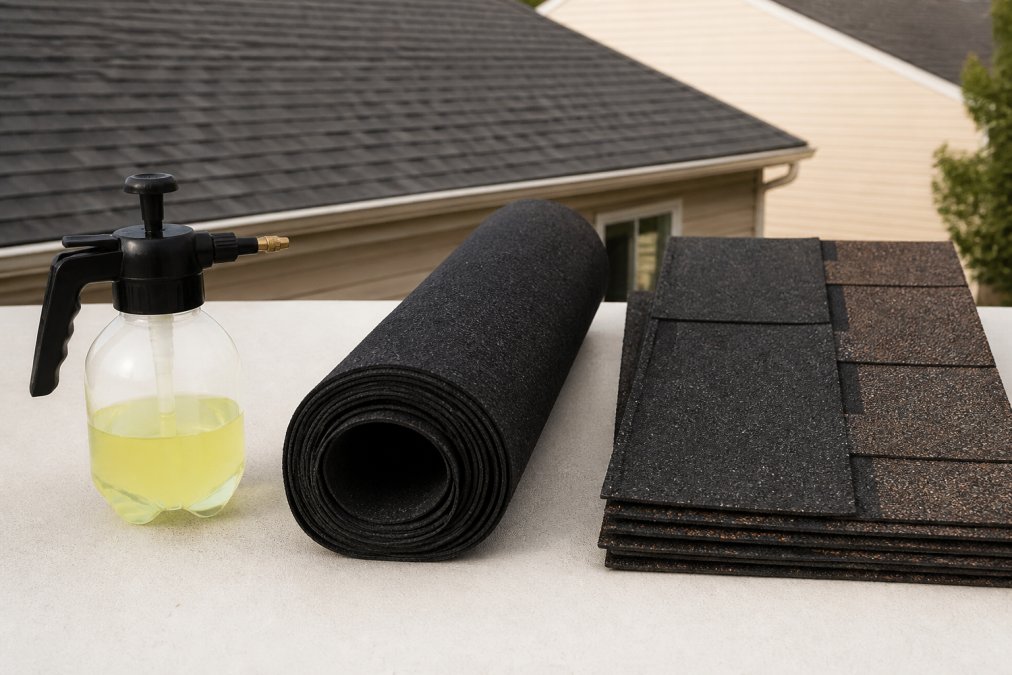
 comparison
Roof Rejuvenation vs Roof Replacement: Which One for You?
Table of Contents
- Roof Rejuvenation vs Replacement: The Core Trade-Off
- Asphalt Shingle Restoration Cost: Rejuvenation vs. Tear-Off
- How Long Does Roof Rejuvenation Last?
- Signs Your Roof Needs Replacement, Not Treatment
- Structural Integrity and Climate: Two Factors That Decide
- Sustainable Flat Roof Coating Benefits and Warranties
- The Verdict: How to Choose Between Rejuvenation and Replacement
- Frequently Asked Questions
Last Updated: September 6, 2026
When an asphalt shingle roof starts showing its age, the cost of a full tear-off can feel like a punch to the gut. Many homeowners in Albuquerque and Rio Rancho are discovering that roof rejuvenation vs roof replacement isn't a simple question of new versus old; it's a financial and environmental calculation that depends heavily on the current state of your roof deck and shingles.
Roof rejuvenation is a preventative maintenance treatment that restores flexibility to aging asphalt shingles by replenishing the natural oils lost to UV degradation. Roof replacement, by contrast, involves a complete tear-off down to the roof deck and installing new shingles. The core trade-off comes down to timing: rejuvenation buys you 6-8 more years of life at a fraction of replacement cost, while replacement resets the clock entirely at a significantly higher price point.
Roof Rejuvenation vs Replacement: The Core Trade-Off
The decision hinges on one critical factor: the structural integrity of your existing roofing system. Rejuvenation treatments, typically using plant-based bio-oils like FRESH TEC's patented GreenSoy™ Technology, penetrate the shingle to restore oil saturation and flexibility, reversing the brittleness that leads to cracking and granule loss. This works best when the roof deck is solid, the underlayment is intact, and the shingles are merely oxidized rather than physically failing.
Replacement becomes necessary when the roof has reached the end of its functional lifespan. If you're seeing widespread curling shingles, significant granule accumulation in gutters, or daylight through the roof deck, no treatment will address the underlying structural damage. A full replacement also lets you address roof ventilation issues and upgrade your underlayment, extending the life of your new roof.
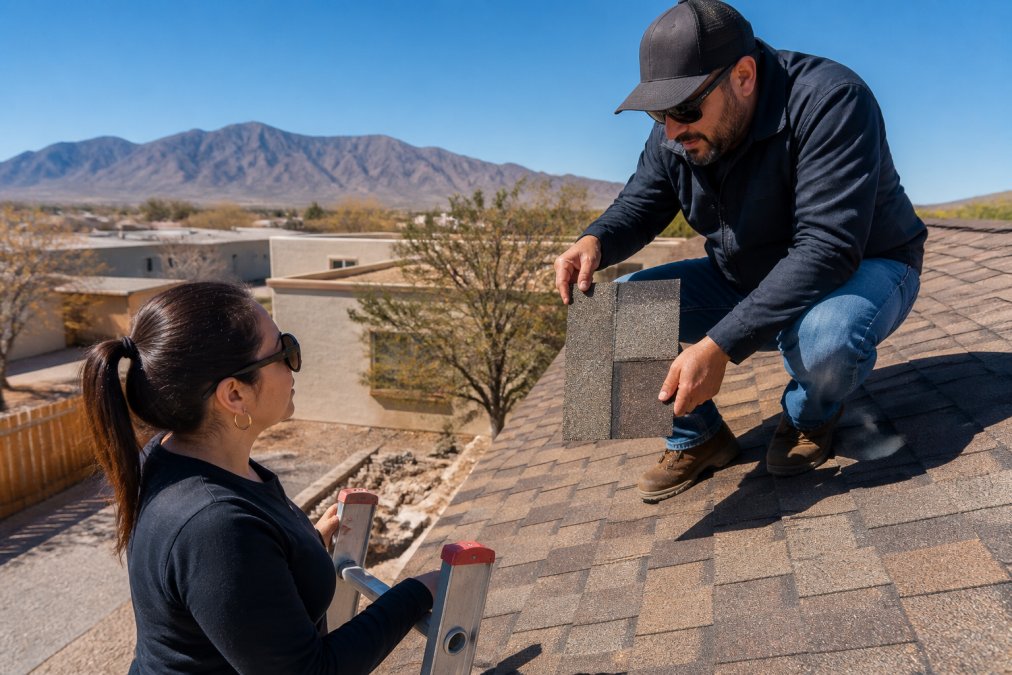
Asphalt Shingle Restoration Cost: Rejuvenation vs. Tear-Off
A full roof replacement on a typical 2,000 square foot home can run from $8,000 to over $30,000 depending on materials, roof pitch, and labor (remodeling.hw.net). Roof rejuvenation services typically cost between $1,500 and $6,000 for the same footprint, with FRESH TEC's treatment being up to 85% cheaper than a full replacement.
Rejuvenation isn't a permanent fix; it's a strategic deferral. You're not avoiding the eventual replacement; you're buying time at a steep discount. For a property manager juggling 12 units across Albuquerque, treating a problem property now can delay a replacement for several years.
| Cost Factor | Roof Rejuvenation | Full Roof Replacement |
|---|---|---|
| Typical Cost Range | $1,500 - $6,000 | $8,000 - $30,000+ |
| Roof Lifespan Added | 6-8 years | 20-30 years |
| Structural Repairs | Not included | Often required |
| Best For | Aging but sound roofs | Failing or damaged roofs |
How Long Does Roof Rejuvenation Last?
Most quality rejuvenation treatments add 6 to 8 years of functional life to an existing asphalt shingle roof. This isn't a permanent restoration; it's a meaningful extension that delays the inevitable replacement while maintaining the roof's protective capabilities.
Climate plays a massive role in how long the treatment lasts. In Albuquerque's high-desert environment, with intense UV exposure and significant temperature swings between day and night, the thermal shock on shingles is severe. A quality treatment can hold up well here, but plan on a roof inspection by year five to assess whether a second application is warranted.
Signs Your Roof Needs Replacement, Not Treatment
Not every aging roof is a candidate for rejuvenation. It is designed for shingles that are still structurally intact but have lost flexibility due to UV degradation and oil depletion. Widespread curling shingles, cracked or missing shingles, or significant granule loss where the deck is becoming visible are signs the shingles have exhausted their useful life.
The most reliable way to determine whether your roof needs treatment or replacement is a professional roof inspection. A qualified inspector will assess the roof deck, check for moisture damage in the underlayment, and evaluate the overall structural integrity. If the deck is compromised or there's evidence of water intrusion, no surface treatment will fix the underlying problem.
Structural Integrity and Climate: Two Factors That Decide
The decision matrix narrows to two dominant factors: structural integrity and climate suitability. A roof with a sound deck, intact underlayment, and shingles that are merely brittle from UV exposure is an ideal candidate for rejuvenation. The treatment restores the shingle's ability to flex with thermal expansion and contraction, preventing the cracks that lead to leaks.
Before any rejuvenation treatment is applied, a homeowner can perform a basic structural integrity assessment. This is not a substitute for a professional inspection, but it will tell you whether a treatment is even worth considering. Work through this checklist from the attic and the roof surface:
Attic inspection:
- Look for daylight coming through the roof deck. Any visible gaps between deck boards mean the deck is compromised or the underlayment has failed, rejuvenation cannot fix this.
- Press on the underside of the deck with your palm. If it feels soft, spongy, or gives under pressure, there is active rot or moisture damage. This is a replacement trigger.
- Check for dark stains on the deck or rafters, which indicate past or active leaks. Stains around nails or vents are especially telling.
- Feel for dampness or musty odors. Persistent moisture means the roof system is failing from the inside out.
Roof surface inspection:
- Look for shingles that are curled at the edges or cupped upward. A few isolated curls are normal on an old roof, but if more than 10-15% of shingles show this pattern, the shingles have lost their pliability and are nearing end-of-life.
- Check for cracked or split shingles. Hairline cracks that do not penetrate the full thickness of the shingle may still respond to rejuvenation; splits that expose the fiberglass mat do not.
- Examine the granule loss pattern. Granules in the gutters are normal wear. But if you can see the dark asphalt base through the granule surface on more than a third of the roof, the shingles are too far gone for treatment.
- Look for shingles that are lifting or separating from the course below them. This indicates the sealant strip has failed, which rejuvenation does not restore.
- Check flashing around chimneys, vents, and skylights. If the flashing is rusted, cracked, or pulling away, that is a separate repair that rejuvenation will not address.
Climate-specific suitability: Climate dictates whether rejuvenation is even viable, and the answer varies sharply across the United States. In high-UV, high-heat climates like the desert Southwest, daytime surface temperatures on a dark shingle roof can exceed 160°F, followed by nighttime drops of 40 degrees or more. This constant expansion and contraction drives oil depletion and brittleness. A quality treatment can hold up well here, but plan on a roof inspection by year five to assess whether a second application is warranted.
In freeze-thaw climates like the Upper Midwest and Northeast, water that seeps into micro-cracks in brittle shingles will freeze and expand, widening the crack with every cycle. Rejuvenation can help prevent those micro-cracks from forming, but it cannot seal cracks that already exist. If your roof has visible cracking after a hard winter, treatment is likely too late.
In hail-prone regions like the Front Range of Colorado or the Dallas-Fort Worth metroplex, hail damage is physical impact damage, it dents, bruises, and fractures shingles. Rejuvenation restores flexibility but does not repair impact damage. If your roof has taken a significant hail hit, an insurance adjuster will typically require replacement, not treatment.
Sustainable Flat Roof Coating Benefits and Warranties
Warranty coverage is where the rejuvenation-versus-replacement decision gets legally and financially complicated. Applying a chemical treatment to an asphalt shingle roof can void the manufacturer's warranty on those shingles, even if the roof is still under its original 25- or 30-year term.
Most asphalt shingle manufacturers issue warranties that cover manufacturing defects, not wear from UV exposure or granule loss. Chemical rejuvenation treatments are not an approved maintenance method under most standard warranties. If a treated roof later develops a leak or shingle failure, the manufacturer can deny a claim on the grounds that an unapproved coating altered the shingle's composition. Before signing a rejuvenation contract, ask the service provider for a written statement on warranty compatibility, and check your original shingle warranty's exclusions for "aftermarket coatings" or "solvent-based treatments."
Homeowners insurance covers sudden, accidental damage, like hail or wind, but it does not cover wear and tear or gradual deterioration. If a hailstorm damages an aging roof that was treated with rejuvenation, the insurer may pay based on the roof's actual condition at the time of loss. Some insurers offer "full replacement cost" endorsements, but those policies are becoming rarer and more expensive. A rejuvenation treatment does not improve your insurance claim position; it only delays the day you need to file one.
A separate consideration is the workmanship warranty on the rejuvenation service itself. A reputable applicator will back the treatment for a defined period, but that warranty only covers the treatment's performance, not the underlying shingles or deck. Read the warranty's exclusions carefully: many require annual inspections, proof of gutter maintenance, and immediate repair of any leaks to keep coverage valid.
For flat roofs, the calculus is different but the warranty caution remains. A high-quality acrylic or silicone roof coating can extend the life of a modified-bitumen or EPDM membrane by 10 to 15 years, and coating manufacturers often provide their own warranty. But those warranties are contingent on the membrane being sound before application. Coating over a membrane with trapped moisture or delamination voids the warranty and accelerates failure.
The Verdict: How to Choose Between Rejuvenation and Replacement
The choice ultimately comes down to the condition of your roof and your timeline. Choose rejuvenation if your roof is structurally sound, free of leaks, and simply showing signs of aging like granule loss or slight brittleness. This is the right call for homeowners planning to sell within a few years, property managers managing tight budgets, or eco-conscious owners who want to reduce waste by delaying a tear-off.
Choose replacement if your roof is leaking, has significant shingle damage, or if the roof deck itself is compromised. No treatment can fix structural rot or water damage to the underlying framework. Replacement is also the better long-term investment if you plan to stay in your home for 15 or more years and want a fresh roofing system with a manufacturer warranty.
EPA guidelines on construction and demolition waste reduction
Roofing waste is a major contributor to construction landfill volume, and every year you delay a tear-off through effective rejuvenation is a year those materials stay out of the waste stream. When you combine the cost savings, the extended roof lifespan, and the sustainability benefits, roof rejuvenation is often the smartest first move for an aging but structurally sound roof.
For homeowners in Albuquerque and Rio Rancho, the right answer usually starts with a professional inspection. FRESH TEC's team uses patented, plant-based GreenSoy™ Technology to restore asphalt shingles and driveways, extending their lifespan by 6-8 years at a fraction of the cost of replacement. Our service suite includes roof rejuvenation, flat roof coatings, gutter cleaning, and solar panel maintenance, all backed by an industry-leading 6-year warranty.
NAHB guide on roofing material lifespans and maintenance
Deciding between roof rejuvenation and roof replacement doesn't have to be a guessing game. The smartest approach is to get a professional assessment of your roof's structural integrity and remaining lifespan before committing to either path. FRESH TEC offers free inspections to homeowners and property managers across Albuquerque and Rio Rancho. Book your free inspection today and find out exactly how many years of life are left in your current roof.
Frequently Asked Questions
Is roof rejuvenation worth the money?
Yes, for structurally sound roofs with aging shingles. Rejuvenation restores flexibility and oil saturation, typically extending roof life by 6 to 8 years at up to 85% less cost than a full replacement. It is not a repair method for severe damage like widespread curling or leaks. A professional inspection confirms if your roof is a good candidate before you spend anything.
How much does it cost to rejuvenate a roof?
Costs depend on roof size, pitch, and condition, so a professional quote is necessary. Contact us for current pricing and a free inspection to get an accurate number for your property.
What are the disadvantages of roof coatings or rejuvenation?
The main disadvantage is that rejuvenation cannot fix structural problems. It does not repair a damaged roof deck, replace missing shingles, or stop active leaks. It is only effective on shingles that are brittle due to UV degradation but still have good granule adhesion. Roofs at the end of their life with curling shingles still require a full replacement.
Should a 20-year-old roof be replaced?
Not automatically. A 20-year-old asphalt shingle roof may have years of life left if it was well-ventilated and maintained. The deciding factors are the shingles' physical condition, the integrity of the roof deck, and the manufacturer warranty terms. If shingles are intact and not curling, rejuvenation is often the more cost-effective choice.
Does roof rejuvenation work on all types of shingles?
No. Roof rejuvenation is designed specifically for asphalt shingles, including architectural and 3-tab varieties. It is not suitable for wood shake, metal, tile, or slate roofs. The treatment works by replacing the natural oils lost during UV degradation, which is a process unique to asphalt-based materials. A professional can confirm your shingle type during an inspection.