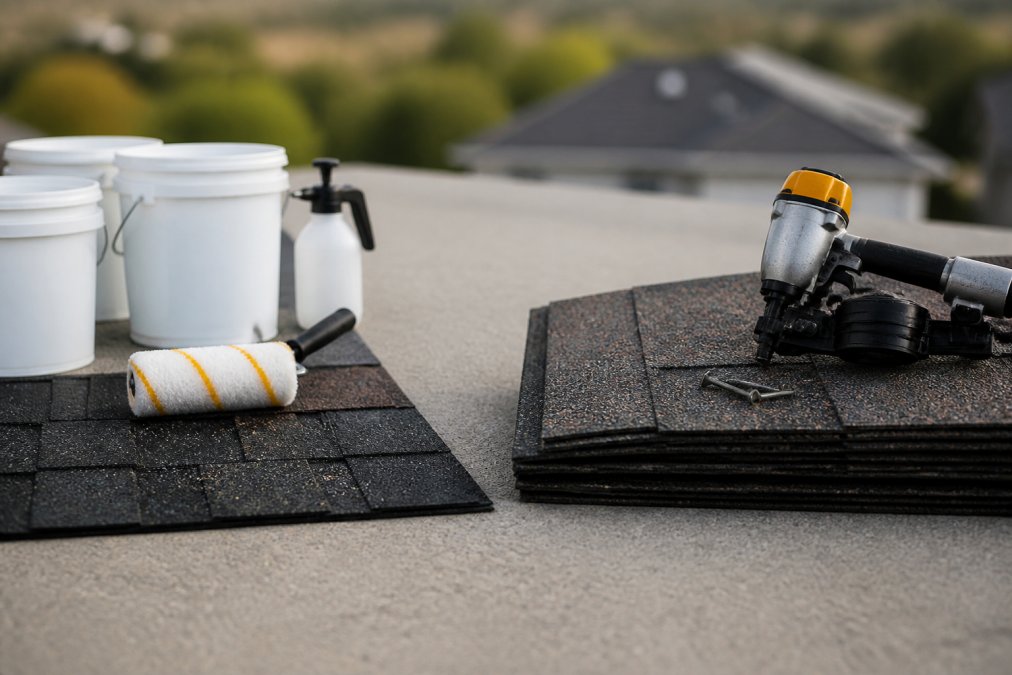
 comparison
Cost of Roof Restoration vs Replacement: 2026 Guide
Table of Contents
- Roof Restoration vs Replacement: Key Differences at a Glance
- Average Cost of Roof Replacement vs Restoration
- Signs of Roof Failure: Restoration or Replacement?
- Asphalt Shingle Lifespan Extension: How Restoration Works
- Long-Term ROI: Insurance, Resale Value, and Climate Factors
- Pros and Cons: Roof Restoration vs Replacement Side by Side
- Frequently Asked Questions
Last Updated: September 1, 2026
The decision between roof restoration vs replacement is one of the most financially consequential choices a homeowner makes. Get it wrong and you either spend tens of thousands unnecessarily on a full tear-off, or you pour money into a roof that's already past saving. At FRESH TEC, we work with homeowners, realtors, and property managers daily who face exactly this crossroads, and the right answer is almost never obvious from the curb.
This guide cuts through the noise. Below, we cover the actual cost differences, the diagnostic signs that point each direction, how asphalt shingle lifespan extension actually works, and the angles most guides skip entirely: insurance implications, resale value, and climate-specific durability.
Roof Restoration vs Replacement: Key Differences at a Glance
Roof restoration is the process of treating an existing roofing substrate to reverse age-related degradation, seal vulnerabilities, and extend serviceable life, without removing existing materials. Roof replacement is the complete removal and reinstallation of all roofing materials, including shingles, underlayment, and often flashing.
Restoration addresses surface-level and moderate deterioration: granule loss on asphalt shingles, minor moisture infiltration, UV-induced brittleness, and compromised shingle integrity. Replacement addresses systemic failure: rotted decking, widespread structural damage, failed underlayment, or a roof system that's exhausted its design life.
| Factor | Roof Restoration | Roof Replacement |
|---|---|---|
| Scope | Surface treatment, lifespan extension | Full tear-off and reinstallation |
| Best for | Structurally sound roofs showing aging | Roofs with structural damage or end-of-life |
| Roof lifespan impact | Adds 6-8 years per treatment | Resets to full manufacturer lifespan |
| Disruption level | Low - typically same-day service | High - multi-day project |
| Warranty | Varies by provider (FRESH TEC offers 6 years) | Manufacturer + labor warranty |
| Environmental impact | Low - no tear-off waste | High - landfill disposal of old materials |
| Capital expenditure | Fraction of replacement cost | Significant upfront investment |
Restoration wins on cost, speed, and sustainability when the underlying structure is sound. Replacement is unavoidable when it isn't.
Average Cost of Roof Replacement vs Restoration
Full roof replacement is one of the largest capital expenditures most homeowners face. According to HomeAdvisor's roofing cost guide, full asphalt shingle replacement for a typical single-family home runs into the thousands of dollars, climbing further with premium materials like metal roofing or architectural shingles.
Roof restoration operates at a fraction of that cost. FRESH TEC's GreenSoy™ roof rejuvenation service is priced per square foot; contact the team directly for a current estimate based on your specific roof.
What Drives the Price Gap
Replacement involves installation labor for full tear-off, waste disposal, new underlayment, new flashing, new shingles, and permit fees. Each line item adds up significantly. Restoration bypasses most of that, no tear-off, no disposal, minimal labor compared to a full replacement crew. FRESH TEC's service is documented as up to 85% cheaper than full roof replacement, a figure that becomes particularly meaningful for property managers overseeing multiple units.
The 50% Rule: When Restoration Is Off the Table
The 50% rule is a practical threshold used by roofing contractors: if repairing or restoring a roof would cost more than 50% of the price of a full replacement, replacement is generally the more rational investment. This rule protects homeowners from pouring money into a failing system and aligns with how many insurance carriers and building codes evaluate repair versus replacement coverage. If your roof has sustained widespread structural damage, failed underlayment, or pervasive moisture infiltration, restoration won't solve the underlying problem.
Signs of Roof Failure: Restoration or Replacement?
Diagnosing a roof correctly before committing to either path is non-negotiable. Signs of roof failure fall into two distinct categories: those indicating a roof is aging but salvageable, and those signaling the system has crossed into terminal decline.
Signs That Point to Restoration
These indicators suggest the roofing substrate is structurally intact but experiencing surface degradation that restoration can address:
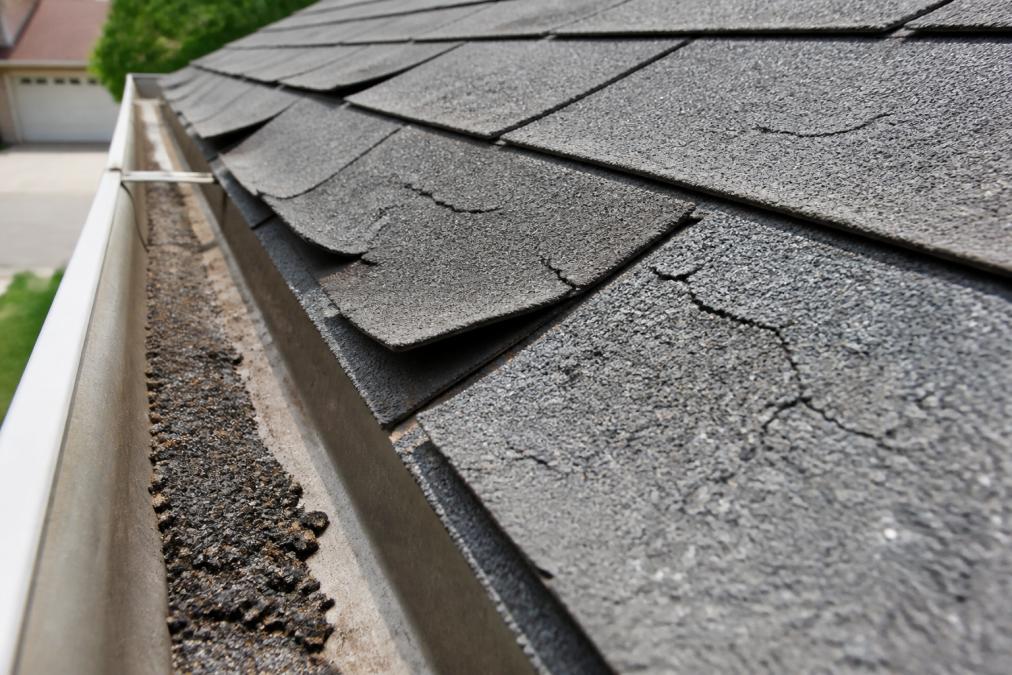
- Granule loss: Asphalt shingles shed granules as UV exposure breaks down the surface layer. Granules in gutters are a classic early warning sign and exactly the kind of material degradation that rejuvenation treatments address.
- Curling or cupping shingles: Minor curling at shingle edges typically indicates moisture imbalance or age-related brittleness, not structural failure.
- Surface cracking: Fine surface cracks without underlying deck damage respond well to roof coating treatments.
- Fading and discoloration: Loss of color accelerates UV damage. Restoration treatments that reflect UV rays can halt this cycle.
- Roof age under 15 years: A roof under 15 years old with surface wear but no structural damage is almost always a restoration candidate.
Signs That Demand Full Replacement
Some conditions make restoration a false economy:
- Sagging or soft spots: Sagging indicates compromised decking or structural damage. No surface treatment fixes a rotted substrate.
- Active leaks with interior damage: Persistent moisture infiltration reaching insulation, drywall, or framing requires full investigation and often full replacement.
- Missing shingles across multiple sections: Widespread loss suggests adhesive strips have failed across the roof, typically signaling end-of-life.
- Roof age over 20-25 years: Asphalt shingles are generally rated for 20-30 years. A roof past its designed lifespan has degraded underlayment and fasteners that no coating can address.
- Visible daylight through the attic: If you can see light through the roof deck from the attic, replacement is the only responsible option.
Asphalt Shingle Lifespan Extension: How Restoration Works
Asphalt shingle lifespan extension through restoration works by replenishing the oils and polymers that asphalt loses over time through UV exposure and thermal cycling. Fresh asphalt shingles are pliable and moisture-resistant because they contain these compounds. As they age, the compounds evaporate, leaving shingles brittle, porous, and vulnerable to cracking.
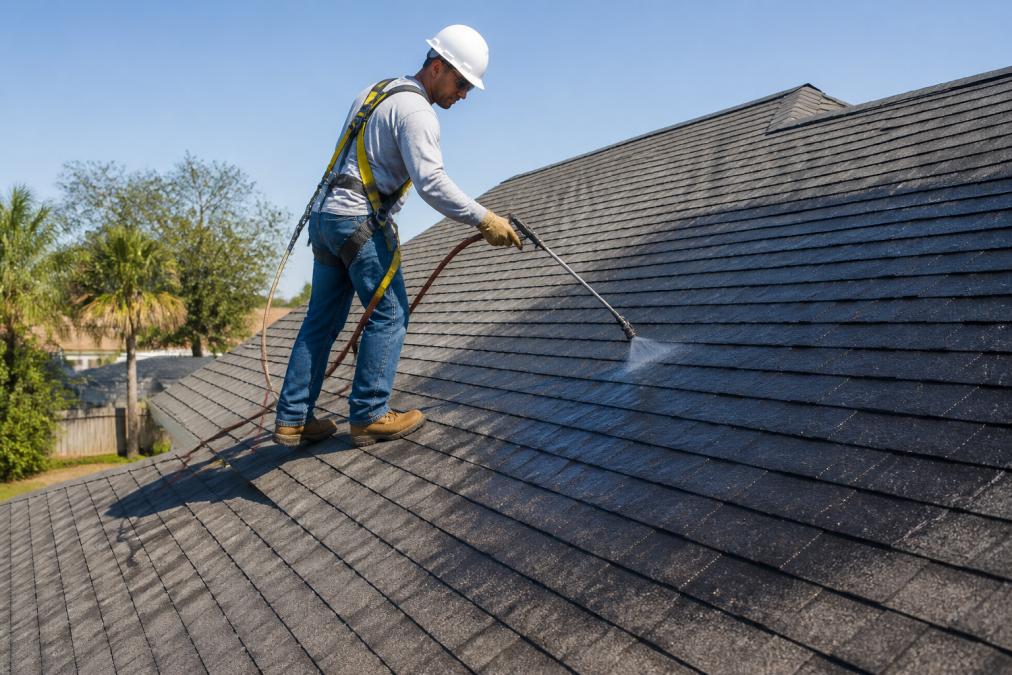
FRESH TEC's GreenSoy™ Technology penetrates the asphalt to restore flexibility and UV resistance from within, rather than simply coating the surface. The plant-based formula results in a treated shingle that behaves closer to a newer shingle, more pliable, more resistant to moisture infiltration, and better able to shed heat. The treatment reflects UV rays and extends the functional life of the roof by 6-8 years per application.
This differs meaningfully from generic elastomeric or silicone roof coatings, which are primarily surface-level waterproofing products designed for flat or low-slope roofs, metal, EPDM, or modified bitumen, not asphalt shingles. GreenSoy™ is formulated specifically for asphalt shingle chemistry.
Treatment is typically completed in a single day with no tear-off or disposal. The 6-year warranty covers treatment performance, not unrelated storm damage. Re-application every 5-6 years maintains the extended lifespan benefit. The formula is 100% plant-based with no harsh chemicals, relevant for households with children, pets, or proximity to water features.
For a property manager with 12 units, a single restoration treatment at a fraction of replacement cost buys 6-8 years of additional roof life across an entire portfolio.
Long-Term ROI: Insurance, Resale Value, and Climate Factors
The cost of roof restoration vs replacement doesn't end at the invoice. Three downstream factors, insurance, resale value, and climate suitability, significantly affect the actual return on each decision.
Insurance Coverage Implications
According to Insurance Information Institute guidance on roof coverage, many insurers now differentiate between actual cash value and replacement cost value policies for roofs, and older roofs may only qualify for depreciated payouts.
A recently restored roof with documented treatment and a transferable warranty strengthens an insurance claim narrative by demonstrating preventative maintenance. Conversely, a roof showing deferred maintenance may face claim complications or policy non-renewal. Some insurers factor roof age and condition into premium calculations. A professionally treated and warranted roof signals reduced risk of emergency repair claims, which can work in a homeowner's favor at renewal.
Resale Value and Curb Appeal
A roof in poor condition is one of the fastest ways to kill a real estate transaction. A full replacement delivers an obvious signal to buyers: new roof, full warranty, no near-term capital expenditure. But a professionally restored roof with a 6-year warranty and documented treatment history tells a similar story at much lower cost to the seller.
Realtors who work with FRESH TEC's roof rejuvenation service use it as a pre-listing preparation tool, restoring curb appeal, documenting the treatment for disclosure, and presenting buyers with a roof that has a clean bill of health and warranty coverage. For a home selling in the next 6-12 months, a restoration treatment delivers the listing impact of a "maintained roof" without the capital expenditure of a full replacement.
Climate-Specific Suitability and Environmental Impact
Climate is an underrated variable in the restoration vs replacement decision. High-UV, high-heat environments accelerate asphalt shingle degradation faster than the manufacturer's rated lifespan assumes. In arid climates with intense sun exposure, shingles lose their oil content significantly faster than in moderate climates, making the case for proactive restoration treatments even stronger. A GreenSoy™ treatment that replenishes UV-depleted asphalt chemistry is particularly well-matched to high-sun environments where thermal cycling stresses shingle integrity year after year.
On the environmental side, full roof replacement generates substantial landfill waste. Old asphalt shingles are among the largest contributors to construction and demolition waste streams in the United States, as noted by the EPA's construction and demolition materials guidance. Restoration eliminates tear-off waste entirely, reduces the energy embedded in manufacturing new shingles, and avoids the disposal cost and environmental footprint of a full replacement.
Pros and Cons: Roof Restoration vs Replacement Side by Side
The right choice depends on the condition of your specific roof.
Roof Restoration, Pros:
- Dramatically lower cost than replacement (up to 85% savings with professional rejuvenation)
- Extends roof lifespan by 6-8 years without tear-off
- Minimal disruption, typically completed in a single day
- Environmentally responsible: no landfill waste, no new manufacturing footprint
- Maintains and improves curb appeal
- Backed by warranty coverage (6 years with FRESH TEC's GreenSoy™ treatment)
- Supports preventative maintenance documentation for insurance and resale
Roof Restoration, Cons:
- Only viable for structurally sound roofs; cannot fix decking damage or failed underlayment
- Requires re-application every 5-6 years for continued benefit
- Not a permanent solution for a roof approaching end-of-life
- Not suitable for all roof types (GreenSoy™ is specific to asphalt shingles)
Roof Replacement, Pros:
- Resets the roof to full manufacturer lifespan (20-30 years for quality asphalt shingles)
- Addresses structural damage, failed underlayment, and compromised flashing in one project
- New warranty coverage on both materials and installation labor
- May be required by building codes or insurance carriers in certain damage scenarios
- Strongest signal to buyers in a real estate transaction
Roof Replacement, Cons:
- Significant capital expenditure
- Multi-day project with substantial disruption
- Generates considerable landfill waste
- Overkill for roofs that are aging but structurally sound
- Permit requirements add cost and timeline
If your roof passes a professional inspection with a sound substrate and no structural damage, restoration is almost always the smarter financial decision. Replacement is the right call when the system has genuinely failed, not just aged.
Deciding between roof restoration vs replacement comes down to an honest assessment of your roof's structural condition, your timeline, and your financial priorities. For homeowners and property managers with structurally sound asphalt shingle roofs showing age-related wear, the cost savings and lifespan extension of professional restoration make it the clear first option to evaluate. FRESH TEC's GreenSoy™ roof rejuvenation service extends asphalt shingle life by 6-8 years, carries a 6-year warranty, and costs a fraction of full replacement. Book a free inspection with the FRESH TEC team to get an honest assessment of whether your roof qualifies for rejuvenation, and what it would cost compared to replacement.
Frequently Asked Questions
Is roof restoration worth the money?
For structurally sound roofs showing age-related wear, restoration is almost always worth it. A rejuvenation treatment can extend asphalt shingle lifespan by 6 to 8 years, delay a major capital expenditure, and cost up to 85% less than a full replacement. The math changes if your roof has widespread structural damage, compromised underlayment, or active moisture infiltration, in those cases, restoration is a temporary fix at best. A professional roof inspection will tell you which category your roof falls into.
Should a 20-year-old roof be replaced or restored?
Age alone does not determine the answer. A 20-year-old asphalt shingle roof with intact shingle integrity, no structural damage, and minimal granule loss can often be restored and extended by several more years. However, if the roof is past 80% of its rated lifespan and shows multiple signs of roof failure, widespread curling, missing flashing, or moisture infiltration in the decking, full replacement is the safer long-term investment. Book a free inspection to get a condition-based recommendation rather than an age-based one.
How much does a 2,000 sq. ft. shingle roof replacement cost?
The average cost of roof replacement for a 2,000 sq. ft. home varies based on material, roof pitch, labor market, and permit requirements in your area. Architectural asphalt shingles typically run between $3 and $5 per square foot installed, putting a full replacement in the $6,000 to $10,000 range before any structural repairs. Premium materials, steep pitches, and tear-off disposal add to that figure. Restoration, by comparison, costs a fraction of that amount. Contact FRESH TEC for a site-specific estimate.
How many years does roof restoration add to a roof's lifespan?
A professional roof rejuvenation treatment using a quality product like FRESH TEC's GreenSoy™ Technology typically extends asphalt shingle lifespan by 6 to 8 years per application. The treatment replenishes the oils that UV exposure and material degradation strip from shingles over time, restoring flexibility and reducing the risk of cracking or moisture infiltration. Re-application every 5 to 6 years can keep a well-maintained roof performing well beyond its original rated lifespan.
What are the signs that a roof needs replacement rather than restoration?
Replacement is the right call when you see structural damage to the roof decking, widespread shingle integrity failure across more than 50% of the surface, active leaks with moisture damage in the attic, failing or missing flashing around chimneys and vents, or a roof that has already exceeded its rated lifespan by several years. Isolated issues like granule loss, minor surface cracking, or faded color are signs that restoration can address. When in doubt, a professional roof inspection removes the guesswork.
This article was written using GrandRanker