 comparison
Is Roof Rejuvenation Worth It? A 2026 Cost and ROI Guide
Table of Contents
- What Roof Rejuvenation Actually Does to Asphalt Shingles
- Roof Rejuvenation Cost vs. Full Replacement: A Real Numbers Breakdown
- How Long Does Roof Rejuvenation Last and What Affects the Timeline
- Roof Rejuvenation Pros and Cons You Need to Weigh
- When Is Roof Rejuvenation Worth It? Four Scenarios That Decide
- What Roof Rejuvenation Cannot Fix: Limitations and Failure Signs
- Insurance, Appraisals, and the Real Estate Angle Most Homeowners Miss
- Frequently Asked Questions
Last Updated: September 24, 2026
What Roof Rejuvenation Actually Does to Asphalt Shingles
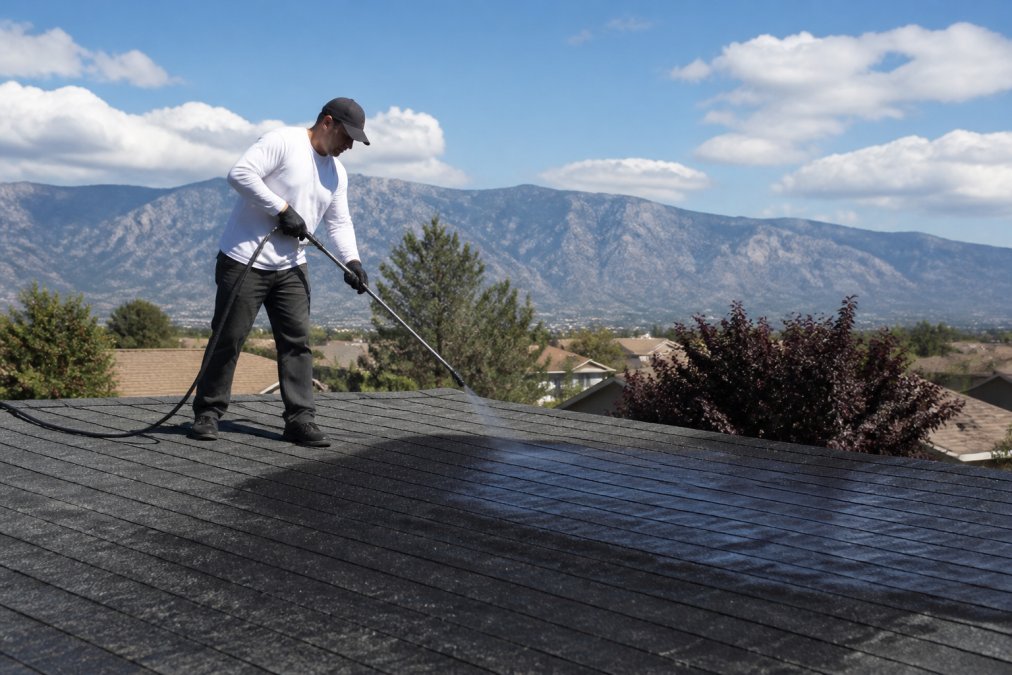
Roof rejuvenation is a spray-applied treatment that restores flexibility to aging asphalt shingles by replacing the oils they lose to sun and weather. At FRESH TEC LLC., we apply this process using patented, plant-based GreenSoy™ Technology, and the goal is simple: extend the life of a roof that still has good structure underneath.
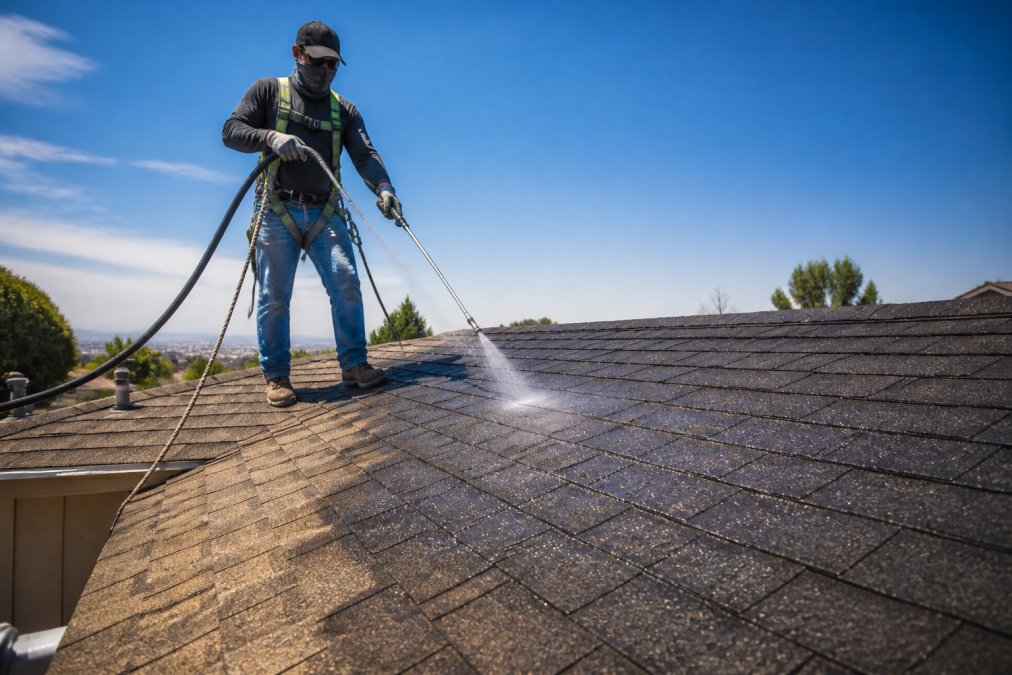
The Role of Granule Loss and Shingle Flexibility
Granules are the shingle's first line of defense. They block UV rays and protect the asphalt underneath. When they wash away, the asphalt oxidizes faster, and the shingle turns brittle.
Roof Rejuvenation Cost vs. Full Replacement: A Real Numbers Breakdown
The honest answer on roof rejuvenation cost is that it depends on your roof's size, pitch, and condition, so pricing varies by project. What matters more is the comparison: rejuvenation typically costs a fraction of a full replacement, and it buys you years rather than decades.
| Factor | Roof Rejuvenation | Full Replacement |
|---|---|---|
| Typical cost | Fraction of replacement | Highest upfront cost |
| Time on site | Usually one day | Several days |
| Tear-off required | No | Yes |
| Lifespan added | 6-8 years | Full new service life |
| Disruption | Minimal | Significant |
How the Numbers Actually Break Down
Most homeowners comparing these two options are really asking one question: what does each year of roof life cost me? That framing cuts through the marketing on both sides.
Asphalt Roofing Manufacturers Association guidance on shingle service life
The Payback Math
Here is the calculation that actually decides the question. Take the rejuvenation cost, divide it by the years of service life it adds, and compare that annual cost to the annual cost of replacement spread over a new roof's expected service life.
- If rejuvenation adds 6 to 8 years and costs a fraction of a replacement, the cost per added year is usually a small fraction of what a new roof costs per year of service.
- That gap is the entire financial argument. You are not buying a better roof. You are buying time at a discount.
- The math flips the moment the roof needs more than shingles. If decking, flashing, or underlayment is compromised, the rejuvenation spend is wasted because the underlying failure will continue.
What Changes the Quote
- Roof size: Priced per square, so a 30-square roof costs more than a 15-square roof.
- Pitch and access: Steep or complex roofs take longer to treat safely.
- Condition at inspection: Heavy granule loss or widespread curling may disqualify the roof entirely.
- Number of stories: Two-story and taller roofs require more setup and safety equipment.
- Region: Labor rates and seasonality move pricing meaningfully.
For a property manager watching a budget, that gap is the whole argument. You are not choosing between a good roof and a bad one. You are choosing whether to defer the big spend by several years.
How Long Does Roof Rejuvenation Last and What Affects the Timeline
How long does roof rejuvenation last? Most treatments add roughly 6 to 8 years of service life, though the exact figure depends on your climate, roof age, and how much granule loss has already occurred.
Several factors shorten or extend that window:
- Sun exposure: Roofs with full-day sun age faster and may need re-treatment sooner
- Roof age at treatment: Younger, healthier shingles hold the treatment longer
- Ventilation: Poor attic airflow cooks shingles from below
- Storm history: Prior hail damage weakens the shingle before treatment
Roof Rejuvenation Pros and Cons You Need to Weigh
The roof rejuvenation pros and cons come down to cost versus certainty. You save money and time, but you accept that this is a delay, not a permanent fix.
Pros:
- Far lower cost than replacement
- No tear-off, so no dumpster in the driveway
- Adds years of service life to a roof that still has good structure
- Improves shingle flexibility and weatherproofing
Cons:
- Does not repair structural damage or leaks
- Not a permanent solution
- Results vary with roof condition and climate
- Requires a roof in reasonable shape to begin with
When Is Roof Rejuvenation Worth It? Four Scenarios That Decide
Roof rejuvenation is worth it when your shingles are aging but your roof structure is intact, and you want to defer the cost of replacement. Here are four scenarios that make the decision clearer.
What Roof Rejuvenation Cannot Fix: Limitations and Failure Signs
Rejuvenation cannot fix structural damage, active leaks, missing shingles, or a failing roof substrate. It is a preservation treatment, not a repair.
- Soft spots or sagging in the roof deck
- Water stains on ceilings or attic rafters
- Missing, cracked, or displaced shingles
- Widespread granule loss with exposed asphalt
- Daylight visible through the roof boards
Insurance, Appraisals, and the Real Estate Angle Most Homeowners Miss
Most guides skip the insurance and appraisal angle entirely, and that is a mistake. Insurers and appraisers care about roof condition, and a treated roof can read differently than a neglected one. But "reads differently" is not a plan. Here is what actually happens.
How Insurers Look at an Aging Roof
Property insurers underwrite roofs on age and condition, not on whether the homeowner likes them. A roof past a certain age, commonly in the 15-to-20-year range for asphalt shingles, though every carrier sets its own thresholds, starts drawing scrutiny. Some carriers raise premiums, some move the roof to actual cash value rather than replacement cost coverage, and some decline to renew altogether.
What rejuvenation does and does not do here:
- It does not reset the roof's age in the eyes of an insurer. The shingles are still the same shingles.
- It can support a documented maintenance record. A dated inspection report and treatment invoice show the roof has been actively maintained, which some adjusters and underwriters weigh when evaluating a claim or renewal.
- It does not guarantee claim approval. If a storm damages a treated roof, the claim is evaluated on the damage and the policy terms, not on the treatment.
What Appraisers and Buyers Actually See
Appraisers do not assign a line-item value to a roof treatment. What they do is note roof condition and remaining useful life. A roof that shows curling, granule loss, and staining reads as deferred maintenance and can pull an appraisal down or trigger a repair negotiation at sale.
- Reduce the odds of a buyer demanding a roof credit at closing.
- Support the appraiser's condition rating.
- Give a realtor a documented answer when a buyer's inspector flags roof age.
The DIY Question Nobody Answers
This is the gap most guides leave open, and it matters for both insurance and resale. Roof rejuvenation is not a DIY-friendly task, and treating it like one creates real problems:
- Access and safety. Walking and spraying a pitched roof requires fall protection and experience.
- Coverage and calibration. The treatment has to be applied at the right rate and coverage to work. Under-application wastes money; over-application can run off and stain siding, gutters, and landscaping.
- Chemical handling. The spray is designed for shingles, not for pets, plants, or runoff into storm drains. Professional applicators manage containment and timing.
- Warranty and documentation. A manufacturer or contractor warranty typically depends on professional application. A DIY application usually voids it, and it gives you nothing to show an insurer or appraiser.
Frequently Asked Questions
Do roof rejuvenation products actually work, or is it just a temporary fix?
Roof rejuvenation works by restoring flexibility to dried-out asphalt shingles, which slows granule loss and curling. It is not a permanent solution, but it is not a cosmetic patch either. A quality treatment can add several years of service life to shingles that still have solid structural integrity. The key is timing: shingles must be aged but not already failing. If your roof has soft spots, active leaks, or widespread missing granules, rejuvenation will not reverse that damage.
How much does roof rejuvenation cost compared to a full replacement?
Roof rejuvenation cost typically runs a fraction of what you would pay for a full tear-off and replacement. Exact pricing depends on roof size, pitch, accessibility, and the number of stories. A full replacement involves labor, disposal fees, new materials, and possible decking repairs, which pushes the total much higher. For a cost-benefit analysis, request a professional roof inspection so you get numbers specific to your home rather than a generic estimate. Pricing depends on quantity, dates, and delivery. Visit our website for current prices or a quote.
What are the disadvantages of roof rejuvenation treatments?
The main drawbacks: it only works on shingles that are still structurally sound, it does not fix existing leaks or damage, and results vary based on sun exposure, attic ventilation, and shingle age. Some homeowners expect a brand-new roof and are disappointed when the shingles still look aged. It also will not satisfy a lender or insurer if your roof is already flagged for replacement. Set realistic expectations before you book.
How many years of life can roof rejuvenation add to asphalt shingles?
How long does roof rejuvenation last depends on the product, the applicator, and your climate. Many treatments are designed to extend roof lifespan extension by roughly 6 to 8 years when applied to shingles in the right condition. UV degradation and thermal expansion continue after treatment, so the clock does not stop. Regular roof inspection and preventative maintenance after treatment help you get the full benefit of the added years.