
 how-to
How to Tell If Your Roof Needs Maintenance: 8 Warning Signs
Table of Contents
- How to Tell If Your Roof Needs Maintenance: Start With These 8 Signs
- Signs of Roof Damage You Can Spot From the Ground
- Roof Leak Warning Signs Inside Your Home
- How Often to Inspect a Roof (and What to Check Each Time)
- Your Safe Roof Maintenance Checklist for Homeowners
- Maintenance, Repair, or Replacement? A Decision Guide
- Storm Damage, Roof Age, and Material Lifespan
- When to Call a Professional (and What to Do First)
- Frequently Asked Questions
Last Updated: October 21, 2026
How to Tell If Your Roof Needs Maintenance: Start With These 8 Signs
Learning how to tell if your roof needs maintenance starts with one rule: catch small changes before they become big bills, and roof maintenance is the habit that makes it work.
Most guides jump straight to replacement, but many roofs with early wear can be restored, the key is catching the signs early.
Below, we'll show what to check, where to look, and when to call for help, the eight signs we see most often around Albuquerque and Rio Rancho.
Signs of Roof Damage You Can Spot From the Ground
Start from the lawn, not the ladder. Most big clues are visible from the ground. Grab binoculars and walk the perimeter.
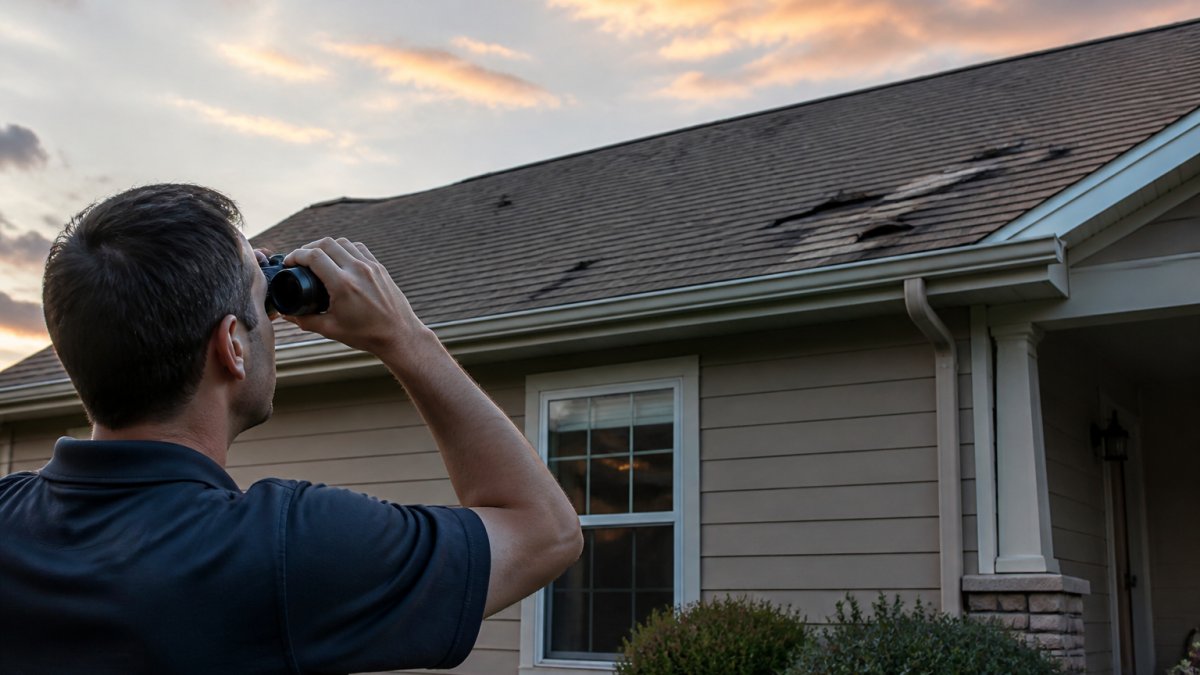
Missing, Cracked, and Curling Shingles
Shingles should lie flat in neat rows. When they don't, you have a problem.
- Missing shingles: bare patches where wind tore tabs away
- Cracked shingles: splits that let water straight through
- Curling shingles: edges lifting up like a dried leaf
Curling and cupping usually mean the shingle is old and dried out. Cracks often follow a freeze-thaw cycle; missing shingles are almost always storm damage.
Granules in Gutters and Sagging Rooflines
Check your gutters and the ground below the downspouts. Asphalt shingles are coated in granules that wash off as they age.
A handful after a storm is normal. A steady build-up means the shingle surface is breaking down, that grit is your roof slowly leaving the building.
Now look at the roofline. It should be a straight line. A dip or sag means something structural, call a professional rather than waiting.
Roof Leak Warning Signs Inside Your Home
Water damage rarely starts with a drip on your head. It starts quiet, in the attic, and works its way down before most people notice.
Water Stains, Dark Spots, and Attic Moisture
Look up at your ceilings and around the attic. These are the clues that matter:
- Brown or yellow rings on ceiling paint
- Dark spots on rafters or roof sheathing
- Damp, musty smells in the attic
Moss, mold, and algae are outdoor clues too. Green streaks mean moisture is hanging around, and that trapped damp rots the shingle from underneath.
A common mistake is painting over a ceiling stain. It comes back because the source was never fixed. Find the leak first, then repair the ceiling.
How Often to Inspect a Roof (and What to Check Each Time)
Inspect your roof twice a year, plus once after any major storm. Spring and fall are best, that schedule catches problems before summer heat and winter rain make them worse.
Each inspection, check the same short list:
| What to Check | Where to Look | What's Normal | What's a Warning |
|---|---|---|---|
| Shingles | Ground, with binoculars | Flat, even rows | Curling, cracks, gaps |
| Granules | Gutters, downspouts | A little grit | Heavy build-up |
| Roofline | From the street | Straight line | Sag or dip |
| Attic | Inside, with a light | Dry, no stains | Stains, damp smell |
| Flashing | Chimneys, vents | Sealed tight | Loose or rusted |
| Valleys | Where roof planes meet | Clear, sealed | Debris, wear |
Pay extra attention to chimneys, vents, and roof penetrations, where water gets in first. Roof valleys also collect debris and wear faster.
Your Safe Roof Maintenance Checklist for Homeowners
This is the checklist we hand to our own customers. Use it twice a year and after storms. It keeps you on the ground and out of danger.
- Walk the perimeter and look up with binoculars
- Check for missing, cracked, or curling shingles
- Look for granules in gutters and at downspouts
Clear gutters are the easiest win here. Clogged gutters back water up under the roof edge and rot the fascia; a quick clean twice a year prevents a lot of damage.
Maintenance, Repair, or Replacement? A Decision Guide
Use this simple framework to decide your next step. It saves you from overpaying on one end and under-reacting on the other.
Choose maintenance when:
- Wear is early and shingles still lie flat
- You have granules and moss but no leaks
- The roof is under ten years old
Choose repair when:
- A few shingles are missing or cracked
- One area around a chimney or vent leaks
- The damage is isolated to a small section
Choose replacement when:
- The roof is near the end of its expected lifespan
- Sagging or a soft deck is present
- Leaks are widespread and repairs keep returning
Storm Damage, Roof Age, and Material Lifespan
Storm damage is the fastest way a healthy roof turns into a problem. After high wind or hail, check for missing tabs, dents, and fresh granule loss. Document everything with dated photos before you call anyone.
Roof age matters, but "how old is it" is only half the question. The other half is material, because each fails in its own way and on its own schedule.
| Material | Typical Service Life | What to Watch For | What It Means |
|---|---|---|---|
| Asphalt shingles (3-tab) | About 15-20 years | Curling, cupping, granule loss, cracked tabs | Surface is drying out; granules in gutters signal end-of-life approaching |
| Asphalt shingles (architectural) | About 20-30 years | Granule loss, lifted edges, nail pops, algae streaks | Heavier mat lasts longer but still fails at edges and penetrations first |
| Metal (standing seam, panels) | 40-70 years | Loose or backed-out fasteners, dented panels, failed sealant at seams, rust at cut edges | Fasteners and sealant fail long before the metal does |
| Clay and concrete tile | 40-50+ years | Cracked or slipped tiles, broken corners, worn underlayment | Tiles can outlast the underlayment beneath them, so leaks appear while tiles look fine |
| Wood shakes and shingles | About 20-30 years | Rot, split shakes, moss growth, loose fasteners | Moisture retention drives failure; moss holds water against the wood |
| Flat and low-slope membranes | About 15-25 years | Blisters, ponding water, seam separation, alligator cracking | Coating upkeep and drainage are the whole game |
Two rules of thumb help you read that table correctly:
- Age plus material sets the baseline. A ten-year-old architectural asphalt roof shedding some granules is normal wear. A five-year-old roof with the same issue points to a defect, poor ventilation, or storm damage.
- The underlayment and flashing often fail first. On tile and metal roofs especially, the visible surface can look healthy while the waterproofing layer underneath is already gone. That is why a leak can appear with no obvious surface damage.
Reading Storm Damage Correctly
Wind and hail leave signatures you can learn to recognize from the ground:
- Wind: missing or lifted tabs, creased shingles, granules stripped from one slope while the opposite slope looks untouched
- Hail: soft dents in metal, bruised or fractured shingle mats, granule loss concentrated in impact patterns, dented vents and gutters
- Debris impact: cracked tiles, punctured membrane, broken sealant at penetrations
Document before you touch anything: wide shots of each roof plane, close-ups of every damaged area, and something for scale. Note the date and weather event. Insurers and manufacturers weigh contemporaneous photos heavily, and a clear record makes a claim much harder to dispute.
When to Call a Professional (and What to Do First)
Not every warning sign is an emergency. Treating them all the same wastes money on one end and risks real damage on the other. Sort what you found into three buckets before you call.
Call today, treat as urgent:
- Water actively dripping or running inside the home
- A sagging roofline, a soft or spongy deck, or a ceiling that is bulging or bowing
- Daylight visible through roof boards in the attic
Schedule a professional inspection soon:
- Curling, cupping, or granule loss without any interior leak
- Moss, algae, or green streaks spreading across shingles
- A single isolated stain in the attic with no active drip
Handle as routine maintenance yourself:
- Clearing leaves and debris from gutters and downspouts
- Trimming branches that touch or overhang the roof
- Photographing and logging what you see on your twice-yearly walk-around
Safe Temporary Steps While You Wait
If water is getting in, limit the damage without getting on the roof:
- Catch the water. Place buckets under drips and move furniture, electronics, and rugs out of the path.
- Relieve trapped water carefully. If a ceiling is bulging with water, a small hole drilled at the low point lets it drain in a controlled way instead of collapsing. Use a bucket and stay clear.
- Protect the interior. Towel-dry surfaces quickly and run fans or a dehumidifier to discourage mold, which can begin growing on wet materials within a day or two.
- Stop the source from the ground if you safely can. A tarp can sometimes be rigged from the ground with ropes, but never climb a wet or steep roof to do it. If you cannot do it safely, wait for a professional.
- Do not paint over or patch interior stains until the source is found and fixed. The stain will return.
Never walk a roof to inspect, tarp, or patch it yourself. Wet shingles, steep pitches, and weak decks cause serious falls. Everything above can be done from the ground or from inside the attic.
What to Have Ready Before the Inspector Arrives
A little preparation makes the visit faster and the answer more accurate:
- Dated photos of every sign you found, wide and close-up
- Notes on any leaks: where the drip appears, when it started, and whether it follows a specific weather pattern
- Your roof's age, material, and manufacturer if you know them
Inspection, Warranty, and Insurance Basics
- Inspection expectations. A professional inspection typically covers the shingles, flashing, valleys, penetrations, gutters, and attic, and ends with a written summary of condition and recommended next steps. Ask for that summary in writing so you can compare it against future inspections.
- Warranty implications. Manufacturer warranties usually depend on proper installation and, in some cases, documented maintenance. Keep your records, and check the warranty terms before authorizing any repair that could affect coverage.
- Insurance documentation. For storm-related damage, insurers generally want contemporaneous photos, the date of the event, and a professional assessment. File promptly, keep copies of everything, and avoid permanent repairs before the damage is documented.
At FRESH TEC LLC, our FRESH ROOF TREATMENT uses patented, plant-based GreenSoy™ Technology to restore asphalt shingles and driveways. It can extend roof lifespan by 6-8 years at a fraction of replacement cost, is backed by a 6-year warranty, and we also handle gutter cleaning and solar panel maintenance.
For broader guidance on roof safety and materials, the National Roofing Contractors Association and the Asphalt Roofing Manufacturers Association are solid references.
Frequently Asked Questions
What are the signs that a roof needs maintenance?
Watch for missing, cracked, or curling shingles, granules collecting in gutters, water stains on ceilings, dark spots in the attic, and a sagging roofline. Storm damage and roof age over 20 years also signal a need for a roof maintenance checklist review. Catching these early lets you repair small issues before they turn into leaks or water intrusion that damages the roof deck.
How often should you inspect a roof?
Inspect your roof twice a year, in spring and fall, and after any major storm with high wind or hail. If your asphalt shingles are over 15 years old, check quarterly. A professional roof inspection once a year adds a deeper review of roof valleys, chimneys, vents, and roof penetrations that are hard to see safely from the ground.
Can you inspect a roof from the ground?
Yes, you can spot many signs of roof damage from the ground with binoculars: missing shingles, curling shingles, sagging rooflines, and granules in gutters. Stay off the roof yourself, especially after storm damage, and use a roof maintenance checklist to note what you see. Call a professional for anything that requires walking the roof or checking attic moisture.
When should you call a roofing professional?
Call a professional when you see active roof leak warning signs like water stains spreading on ceilings, dark spots in the attic, soft spots on the roof deck, or visible holes. Also call after storm damage or wind damage, or if your roof is near the end of its roof lifespan. A pro can confirm whether you need roof repair, roof replacement, or a rejuvenation treatment.
Most homeowners wait until a stain appears on the ceiling, and by then the repair is bigger. The better move is to catch wear early, while a restoration treatment can still add years to your roof. FRESH TEC LLC offers free inspections, plant-based GreenSoy™ restoration, a 6-year warranty, and a veteran-owned local team. Book your free inspection and find out whether your roof needs maintenance, a repair, or nothing at all.