 How-to
Asphalt Shingle Maintenance: What Homeowners Should Check?
Last Updated: November 4, 2026
Quick Summary
Asphalt shingle maintenance means checking your roof twice a year, ideally in spring and fall, for granule loss, curled or missing shingles, and clogged gutters. Catching these small problems early costs far less than replacing the roof. Ground-level checks are safe for most homeowners, while walking the roof or working on steep or high sections calls for a professional.
- Inspect your roof at least twice a year, in spring and fall.
- Granules washing into gutters signal that the shingles are losing their protection.
- Look for bald patches, curled edges, missing shingles and exposed nails.
- Check attic ventilation and look for water stains, damp wood or frost on nails.
- Stop DIY work on steep roofs, high eaves, wet surfaces or after storm damage, and call a professional.
Table of Contents
- Why Asphalt Shingle Maintenance Pays Off
- Signs of Roof Shingle Aging to Look For From the Ground
- Asphalt Shingle Inspection Checklist for Homeowners
- Gutters, Flashing and Attic Ventilation Checks
- Safe DIY Limits and When to Call a Professional
- How Roof Rejuvenation Services Fit Into Maintenance
- Steps to Start Extending Your Shingles' Lifespan Today
- Frequently Asked Questions
Why Asphalt Shingle Maintenance Pays Off
Asphalt shingles are among the most common roofing materials in the United States (Roofing Materials). That makes them the most common roof you will ever care for. Asphalt shingle maintenance is the simple habit of checking your roof, clearing debris, and fixing small problems before they grow.
Most homeowners wait for a leak. Leaks and storm damage are common reasons homeowners replace their roofs. Both causes often start small. A loose shingle or a clogged gutter can sit unnoticed for months.
Regular checks cost far less than a full replacement. A few minutes in the spring and fall can catch trouble early. Many roofing professionals recommend inspecting your roof at least twice a year. Spring and fall work well because they follow the harshest winter and summer weather.
Signs of Roof Shingle Aging to Look For From the Ground
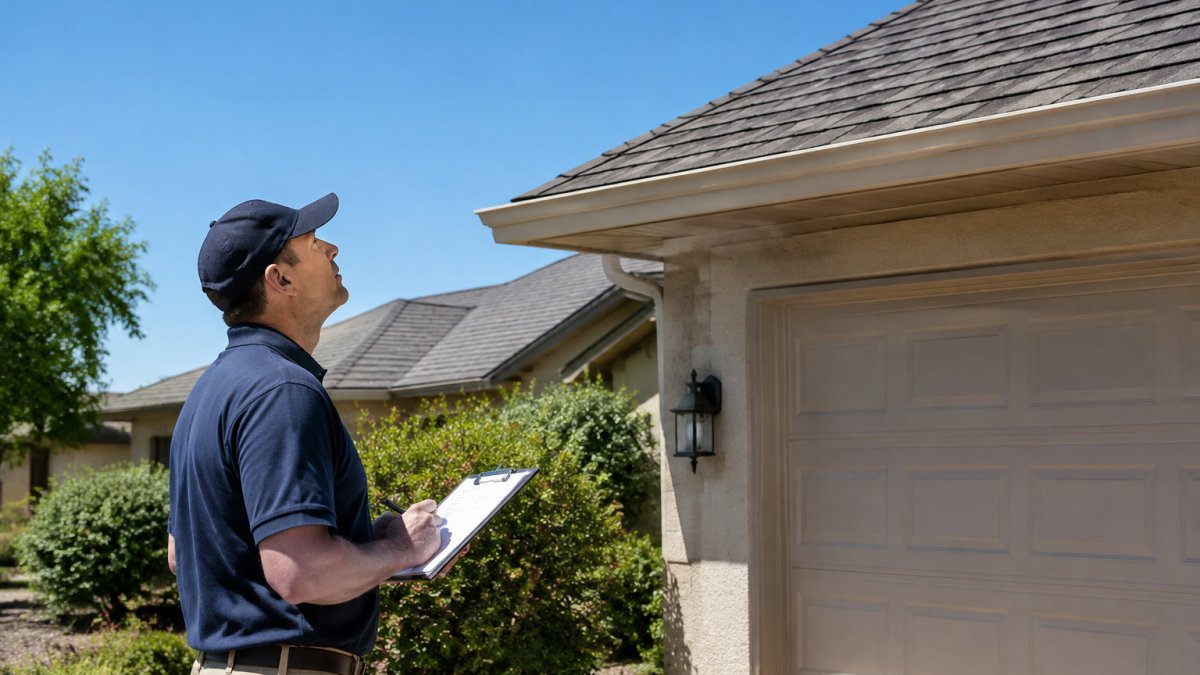
You can spot many problems without climbing a ladder. Walk the edge of your property and look up at the roof. Check the landscaping and gutters for shingle grit.
Granules are the tiny stone coating on each shingle. When they wash into gutters, the shingle underneath is losing its protection. Granule buildup in gutters is a common sign of shingle wear. Early signs of granule loss describes what dark or bare patches look like in detail.
Look for these warning signs:
- Bald or dark patches where granules are gone
- Curled, cupped, or lifting shingle edges
- Missing or cracked shingles
- Exposed nails or metal showing through
- Dark streaks or moss growth on the surface
If you see several of these signs, plan a closer inspection soon.
Asphalt Shingle Inspection Checklist for Homeowners
A simple checklist keeps your inspection consistent. Work through it once in spring and once in fall, and adjust the items to the type of shingle on your roof, because 3-tab, architectural, and luxury shingles wear differently.
Ground-level walkthrough (safe for any homeowner):
- Stand across the street and scan the full roofline for sagging, dipping, or uneven spots
- Look for missing, cracked, or curled shingles and note which slope they are on
- Check gutters and downspout outlets for granule buildup, which signals surface wear
- Inspect the chimney, vent pipes, and skylights from the ground for gaps or lifted sealant
- Note tree branches that touch or overhang the roof
- Photograph any moss, algae, or dark streaking and record where it appears
- Check the attic for water stains, damp wood, daylight through the deck, or frost on nails
Match the checklist to your shingle type:
- 3-tab shingles are thinner and lighter. They tend to lose granules faster and are more prone to wind lift at the tabs. Watch the tab edges and the bottom row along the eaves.
- Architectural (dimensional) shingles are thicker and heavier. They usually age by granule loss and sealant failure rather than tab lift. Check the seal strips on south- and west-facing slopes, where heat cycling is hardest.
- Luxury and premium shingles carry longer manufacturer warranties but often require documented professional maintenance to keep them valid. Keep receipts and inspection records.
Warranty and insurance notes:
Many asphalt shingle manufacturers attach maintenance conditions to their warranties, and some practices can void coverage. Before you clean, repair, or treat anything yourself, read the warranty terms that came with the shingles. A common pattern is that improper cleaning or unauthorized repairs give the manufacturer grounds to deny a claim later. Homeowner insurance policies often expect prompt action after storm damage, and keeping a dated record of your inspections can help if you need to file a claim.
Write down what you find and the date, and keep photos with the log. A simple record helps you spot changes from one inspection to the next and gives you documentation if you ever need to file a warranty or insurance claim.
The article lists how the checks change depending on which type of shingle is on the roof.
| Shingle type | What wears first | Where to look |
|---|---|---|
| 3-tab shingles | Granules and tab edges | Tab edges and bottom row at the eaves |
| Architectural shingles | Granule loss and sealant failure | Seal strips on south- and west-facing slopes |
| Luxury and premium shingles | Warranty depends on documented maintenance | Keep receipts and inspection records |
Gutters, Flashing and Attic Ventilation Checks
Gutters and flashing protect the edges of your roof, where most leaks start. Clean gutters let water drain away from the house. Clogged gutters can push water under shingles and into the fascia.
Flashing is the metal strip sealing joints around chimneys, walls, and valleys. Check that flashing lies flat and that sealant has not cracked. Re-seal small gaps with a roofing-grade caulk.
Attic ventilation affects shingle life too. Good airflow through soffit and ridge vents helps keep the roof deck cool and dry (Ventilation and moisture control for residential roofing (Bulletin 209-RR-86 rev. 3/93)). Poor ventilation can trap moisture and heat, which speeds up shingle aging. Look for condensation, frost on nails, or musty smells in the attic.
Safe DIY Limits and When to Call a Professional
Ground checks, gutter cleaning from a ladder, and trimming branches from the ground are generally safe for homeowners. Walking the roof is a different category, and most practitioners draw a clear line: if you cannot see the problem from the ground or from a ladder placed on firm, level footing, stop and call a professional.
Concrete thresholds for stopping DIY work:
- Roof pitch: Steep roofs are unsafe for untrained homeowners to walk, so treat any steep slope as work for a professional.
- Height: Upper-story eaves are considerably higher than single-story eaves, which raises the risk of falls. Falls from either height cause serious injury, and ladder work above the first story raises the risk sharply.
- Surface condition: Never walk a roof that is wet, icy, covered in moss, or hot enough to soften the shingles. Heat-softened shingles scuff and tear underfoot, and the damage may not show until the next rain.
- Damage type: Widespread curling, missing shingles across more than a small area, sagging, active leaks, or any storm damage should go to a licensed roofer. These are repair decisions, not maintenance tasks.
- Ladder placement: Never lean a ladder against gutters, which can bend or detach them. Use a sturdy ladder on firm, level ground, and have a second person footing it.
When to call a professional:
- Widespread curling or missing shingles
- Water stains on ceilings or attic walls
- Sagging areas on the roofline
- Damage after a storm
- Any work that requires walking the roof
Check your shingle warranty terms before doing repairs yourself, since some manufacturers attach conditions to coverage. Keep a dated log of every inspection and repair so you can show a consistent maintenance record if you ever need it.
How Roof Rejuvenation Services Fit Into Maintenance
Roof rejuvenation is a treatment that restores the surface of aging asphalt shingles. It can fit between routine checks and full replacement. FRESH TEC LLC offers rejuvenation using its patented, plant-based GreenSoy™ Technology, designed to extend shingle life.
Rejuvenation makes the most sense when shingles are aging but still structurally sound. If your inspection shows granule loss and minor surface wear without major damage, rejuvenation may be worth considering. Severely damaged or leaking roofs usually need repair or replacement first.
To see whether rejuvenation fits your roof, you can book a free inspection with FRESH TEC LLC. A professional can tell you which option makes sense for your home.
For a deeper look at what professionals check, read What Does a Roof Inspection Check? A Master Inspector's Checklist. It explains how inspection findings lead to repair, maintenance, or replacement decisions.
Steps to Start Extending Your Shingles' Lifespan Today
Start with a simple routine you can keep up each year.
- Schedule a ground inspection each spring and fall
- Clean gutters and clear debris from valleys and downspouts
- Trim branches that touch or overhang the roof
- Remove moss and algae gently with a soft-bristled brush
- Re-seal small flashing gaps as soon as you spot them
- Keep a dated log of every inspection
Protecting shingles from intense sun also helps in sunny climates. If you live in a hot, dry area, learn how to protect asphalt shingles from desert sun damage to slow surface wear.
Ready to find out where your roof stands? FRESH TEC LLC offers a free inspection for homeowners in Albuquerque and Rio Rancho. Book your free inspection to get started and learn which maintenance steps suit your roof.
Frequently Asked Questions
How often should a homeowner inspect their asphalt shingle roof?
The National Roofing Contractors Association recommends inspecting a roof at least twice a year. Many homeowners pick spring and fall because those seasons reveal winter damage and summer heat wear. A ground-level visual check takes little time and can catch curled edges, missing shingles, or granules collecting in gutters before they lead to leaks. Schedule a professional inspection after major storms, hail, or high winds, even if the roof looked fine before the event.
What ruins asphalt shingles?
Common causes of asphalt shingle deterioration include prolonged sun exposure, heat cycling, moisture trapped under shingles, algae and moss growth, overhanging tree branches that rub the surface, and storm damage. Poor attic ventilation can also raise roof temperatures and accelerate shingle aging. Clearing debris, trimming branches, and keeping gutters flowing address several of these causes at once.
What are the signs that asphalt shingles need professional rejuvenation?
Look for widespread granule loss, shingles that are curling or cracking, exposed nails, and dry or brittle surfaces that have lost their protective outer layer. If the roof is structurally sound but showing surface wear, a rejuvenation service may extend its usable life. If damage is extensive, underlayment or decking may be compromised, and a professional should assess whether repair or replacement makes more sense. Pricing depends on roof size, condition, and access, so request a quote from FRESH ROOF TREATMENT for current figures.
Are there eco-friendly ways to maintain asphalt shingles?
Yes. Clean gutters with hand tools rather than chemical cleaners, use a soft-bristled brush for light debris, and avoid high-pressure power washing, which can strip granules. Plant-based treatments such as the GreenSoy Technology used by FRESH ROOF TREATMENT are one option for restoring surface protection while avoiding harsh solvents. Ask any provider for product safety information before application, especially if children or pets use the property.