 listicle
Roof Rejuvenation Pros and Cons: What to Know
Table of Contents
- What Roof Rejuvenation Is and How the Treatment Works
- Does Roof Rejuvenation Work? What the Evidence Shows
- Roof Rejuvenation Pros and Cons: The Full Breakdown
- Roof Rejuvenation Lifespan: How Many Years You Actually Gain
- Roof Rejuvenation vs Roof Replacement: A Side-by-Side Comparison
- Roof Rejuvenation Reviews: What Homeowners and Property Managers Say
- Frequently Asked Questions
Last Updated: October 14, 2026
What Roof Rejuvenation Is and How the Treatment Works
Roof rejuvenation is a spray-on treatment that restores flexibility to aging asphalt shingles so they shed water and resist cracking again. At FRESH TEC LLC, our FRESH ROOF TREATMENT uses patented, plant-based GreenSoy™ Technology to extend shingle life by 6-8 years at a fraction of replacement cost.
Here is the honest version: rejuvenation is preventative maintenance, not a repair. It works on shingles that are drying out, not on shingles that are already failing.
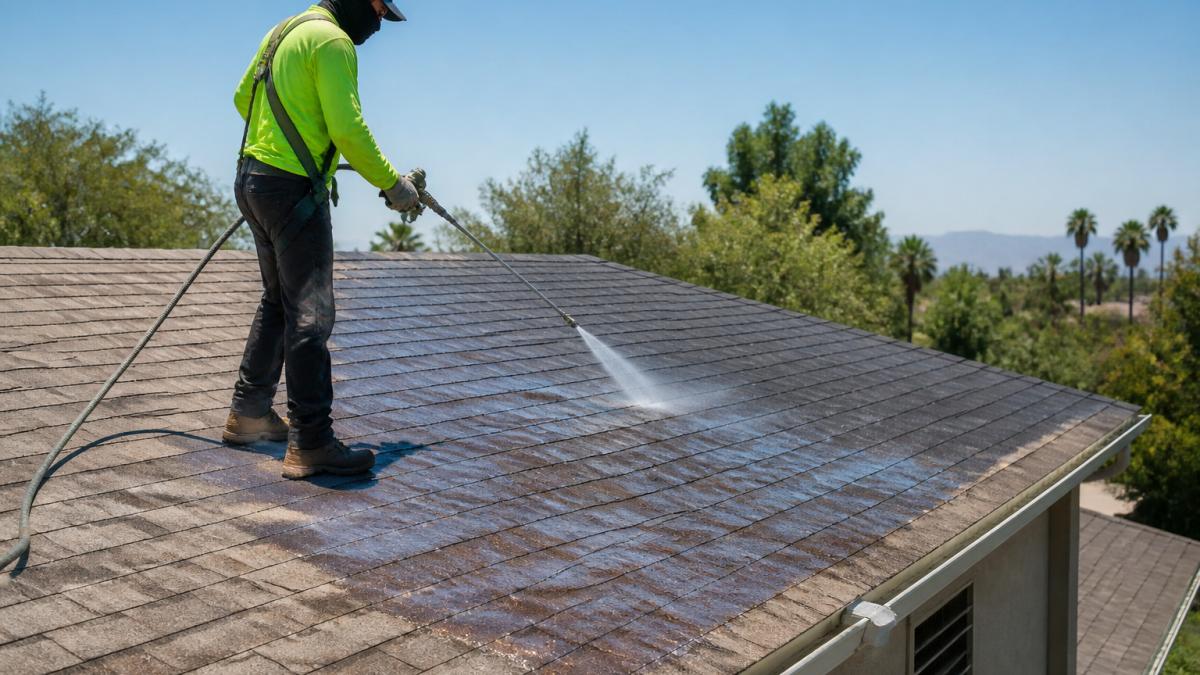
How the Application Method Restores Shingle Flexibility
Asphalt shingles are made with a petroleum-based binder that gives them flexibility. Sun and heat drive those oils out over time. The shingle dries, stiffens, and starts to crack.
A roof spray treatment puts those oils back. The application is straightforward:
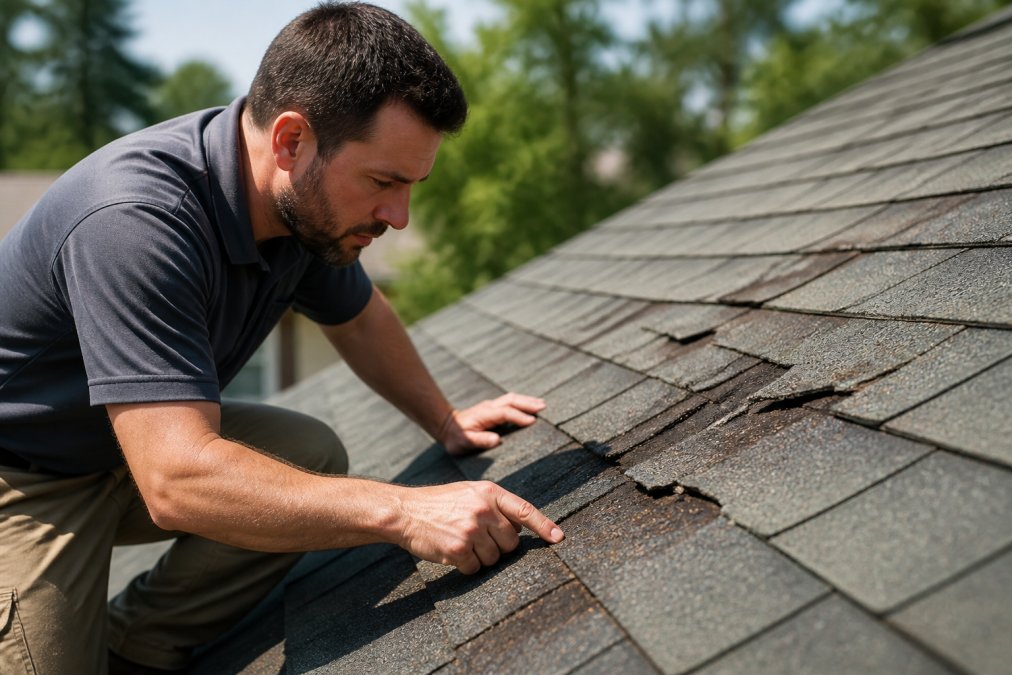
- Inspect the roof and confirm the shingles qualify
- Clean the surface of debris and loose granules
- Spray the treatment evenly across the shingle field
- Allow it to absorb, which typically takes a few hours
The shingle absorbs the treatment and regains some of the flexibility it lost. That flexibility is what lets a roof expand and contract through hot days and cool nights without splitting.
Does Roof Rejuvenation Work? What the Evidence Shows
Roof rejuvenation works on the right roof, and does nothing on the wrong one. That distinction is the whole ballgame, and most marketing skips it.
The treatment addresses one specific problem: shingle drying and loss of flexibility. Published provider guidance, including Saratoga Roofing's roof rejuvenation guide, describes lifespan extension of up to five years per application, while the manufacturer claim behind our own product runs 6-8 years.
Where the evidence gets thin is independent, side-by-side testing. Most performance claims come from the companies selling the treatment. That does not make them false, but it does mean you should treat them as claims rather than settled science.
The Eligibility Checklist: Is Your Roof a Candidate?
Before you buy any treatment, walk your roof against this list. It is the same screen a qualified applicator should run during an inspection.
Green light, likely a candidate:
- Shingles are intact, lying flat, and still have visible granules across most of the field
- The roof is roughly 8-15 years into a typical asphalt shingle service life
- Shingles feel stiff or dry but are not cracking through when flexed at the edge
- No active leaks, no soft spots, and no water staining on the decking or in the attic
- The roof sheds water normally after rain
Red light, repair or replacement, not treatment:
- Active leaks or water intrusion anywhere in the field or at penetrations
- Hail damage, impact fractures, or bruising
- Missing, torn, or displaced shingles
- Advanced granule loss that has exposed the asphalt mat
- Curling, cupping, or clawing shingles that no longer lie flat
- Soft, spongy, or sagging decking
- Rusted or failing flashing, valleys, or pipe boots
If you are unsure which column your roof falls into, that is exactly what a professional inspection is for. A treatment applied to a red-light roof does not fail because the product is bad, it fails because the roof was never a candidate.
What the Treatment Cannot Fix
This is where a lot of homeowners get burned. Rejuvenation is not a repair product, and it will not fix:
- Active leaks or water intrusion
- Hail damage or impact fractures
- Missing, torn, or displaced shingles
- Advanced granule loss that has exposed the mat
- Curling or cupping shingles that no longer lie flat
- Structural or decking problems
Consumer-focused roofing analysis, such as Excel Roofing's assessment of spray-on rejuvenation, makes the same point bluntly: the treatment does not fix leaks, hail damage, or granule loss. If your roof has any of those, you are looking at repair or replacement, not rejuvenation.
How to Judge the Evidence for Yourself
A neutral way to weigh any rejuvenation claim:
- Ask what was measured. Flexibility, granule adhesion, and water shedding are testable. "Looks better" is not.
- Ask over what period. A result measured after one season says less than one tracked across several years.
- Ask who paid for it. Manufacturer and applicator data is a starting point, not the final word.
- Ask what the baseline was. A treated roof compared against a brand-new roof tells you little; a treated roof compared against an untreated roof of the same age and exposure tells you a lot.
- Ask what happens if it does not work. A warranty that covers reapplication or credit is a stronger signal than one that covers nothing.
That framework will not turn marketing into peer-reviewed science, but it will separate a specific, checkable claim from a vague promise, and that is the difference between a maintenance decision and a gamble.
Roof Rejuvenation Pros and Cons: The Full Breakdown
The pros and cons come down to what you are buying. You are buying time, not a new roof, and the trade-offs follow from that.
Pros:
- Extends shingle service life by 6-8 years per application, based on our product specification
- Costs a fraction of a full replacement
- No tear-off, so no dumpster in the driveway and no days of noise
- Plant-based formula with no harsh solvents
- Backed by a 6-year warranty on our treatment
- Improves roof appearance and curb appeal for a listing
Cons:
- Does not fix leaks, hail damage, or structural problems
- Only suitable for shingles that are still structurally sound
- Results depend heavily on roof condition and application quality
- Independent, third-party performance data is limited
- Requires reapplication to maintain the benefit
- Not a substitute for replacement on a roof near the end of its life
If your roof is a candidate, the math usually favors treatment. If it is not, no amount of treatment changes that.
Roof Rejuvenation Lifespan: How Many Years You Actually Gain
Expect 6-8 years of added service life per application on a qualifying roof, based on our GreenSoy™ product specification. Other providers publish more conservative figures, with some guides citing up to five years.
Why the gap? Application quality, roof condition, climate, and how the product is formulated all move the number.
Reapplication is part of the deal. A maintenance interval of roughly every 5-8 years keeps the shingle conditioned, and it is far cheaper than letting the roof dry out to the point where replacement is the only option.
| Factor | Extends Lifespan | Shortens Lifespan |
|---|---|---|
| Roof age at treatment | Treated early, before deep drying | Treated late, shingles already brittle |
| Surface prep | Cleaned and debris-free | Dusty, granule-covered surface |
| Climate exposure | Moderate sun and heat | Extreme sustained heat |
| Application quality | Even coverage, full absorption | Patchy or rushed application |
| Maintenance | Reapplied on interval | Never reapplied |
Roof Rejuvenation vs Roof Replacement: A Side-by-Side Comparison
The core difference is simple: replacement gives you a new roof, and rejuvenation gives you more time on the roof you have. Those are not competing products, they are different answers to different questions.
| Factor | Roof Rejuvenation | Roof Replacement |
|---|---|---|
| What it does | Restores shingle flexibility | Removes and installs new shingles |
| Best for | Sound shingles, early aging | Failed, damaged, or end-of-life roofs |
| Added life | 6-8 years per application | Full new roof lifespan |
| Disruption | Hours, no tear-off | Days, full tear-off |
| Fixes leaks | No | Yes |
| Fixes hail damage | No | Yes |
| Maintenance | Reapply on interval | None for years |
| Environmental impact | Low, no landfill waste | High, old shingles go to landfill |
The break-even logic is worth spelling out. If rejuvenation buys you 6-8 years, and replacement costs several times more, then treating a qualifying roof twice can still land under the cost of one replacement. That only holds if the roof actually qualifies.
Roof Rejuvenation Reviews: What Homeowners and Property Managers Say
Reviews on roof rejuvenation split along one line: whether the roof was a good candidate.
That pattern shows up in consumer-oriented coverage too. TrustDALE's analysis of roof rejuvenation claims examines the gap between marketing promises and what the treatment actually delivers, and the conclusion is consistent with what we see: results track roof condition far more than product brand.
For property managers, the appeal is different. Realtors and property managers work with us to get exteriors show-ready without a full replacement invoice.
What we hear most from customers is relief that they did not have to replace a roof that still had life in it.
The Fine Print: Warranty, Insurance, and Resale
Reviews tell you how a treatment performed.
Manufacturer warranty. Most asphalt shingle warranties cover manufacturing defects, not the effects of a third-party coating.
The applicator's warranty. A treatment warranty is only as good as the company behind it.
Insurance. A treatment is generally not a claimable repair, and it does not restore coverage on a roof an insurer has already flagged as worn.
Resale and disclosure. A treated roof is still an aging roof.
Application Risks and Workmanship
How a treatment is applied matters as much as what is applied. The common failure points:
- Overspray. Treatment drifting onto siding, windows, vehicles, landscaping, or a neighbor's property is a workmanship problem, not a product problem. Masking and wind awareness are on the applicator.
- Runoff. Excess product running off the roof and into gutters, downspouts, or planting beds needs to be managed. Ask how runoff is contained.
- Surface preparation. Debris, loose granules, and biological growth block absorption. A rushed prep job is the most common reason a treatment underperforms.
- Weather windows. Application generally needs a dry roof and a forecast that keeps rain off long enough for absorption. Scheduling around that window is part of doing the job right.
- Coverage and technique. Patchy or uneven application leaves some shingles conditioned and others not, which shows up as inconsistent results across the roof.
A qualified applicator will walk you through prep, protection, and cleanup before the sprayer comes out. If a provider cannot explain those steps, that is your answer.
Frequently Asked Questions
What are the pros and cons of roof rejuvenation?
The main pros are lower cost compared to replacement, extended roof lifespan of several years, and no tear-off disruption. The main cons are that rejuvenation only works on roofs in reasonable condition, it does not fix leaks or hail damage, and results depend on shingle type and climate. A professional roof inspection determines whether your roof qualifies before you commit.
Does roof rejuvenation really work?
Published results from providers and industry guides show that spray treatments can restore flexibility to dried-out asphalt shingles and slow further deterioration. However, the treatment cannot reverse existing damage like granule loss, cracking, or leaks. Independent verification is limited, so a roof inspection and honest assessment of your roof's condition matter more than marketing claims.
How long can roof rejuvenation extend a roof's life?
Lifespan extension varies by product and roof condition. Some guides report up to five years per application, while others cite six to eight years. The actual gain depends on shingle age, climate exposure, and whether the treatment is reapplied on a maintenance interval. A roof already near the end of its service life will see less benefit than one treated earlier.
When is roof repair better than replacement?
Roof repair makes more sense when damage is isolated, such as a few missing shingles or a small leak around a flashing point. If the roof is structurally sound and most shingles are intact, a targeted repair preserves the remaining service life. Replacement becomes the better option when damage is widespread, the roof is at the end of its lifespan, or multiple leaks have appeared.
How can you tell whether a roof is a good candidate for rejuvenation?
A good candidate has asphalt shingles that are aging but not severely damaged: minimal granule loss, no active leaks, no hail damage, and no curling or missing shingles. A roof inspection checks these conditions. If the shingles are too far gone or the roof has structural problems, replacement is the more reliable path.