 how-to
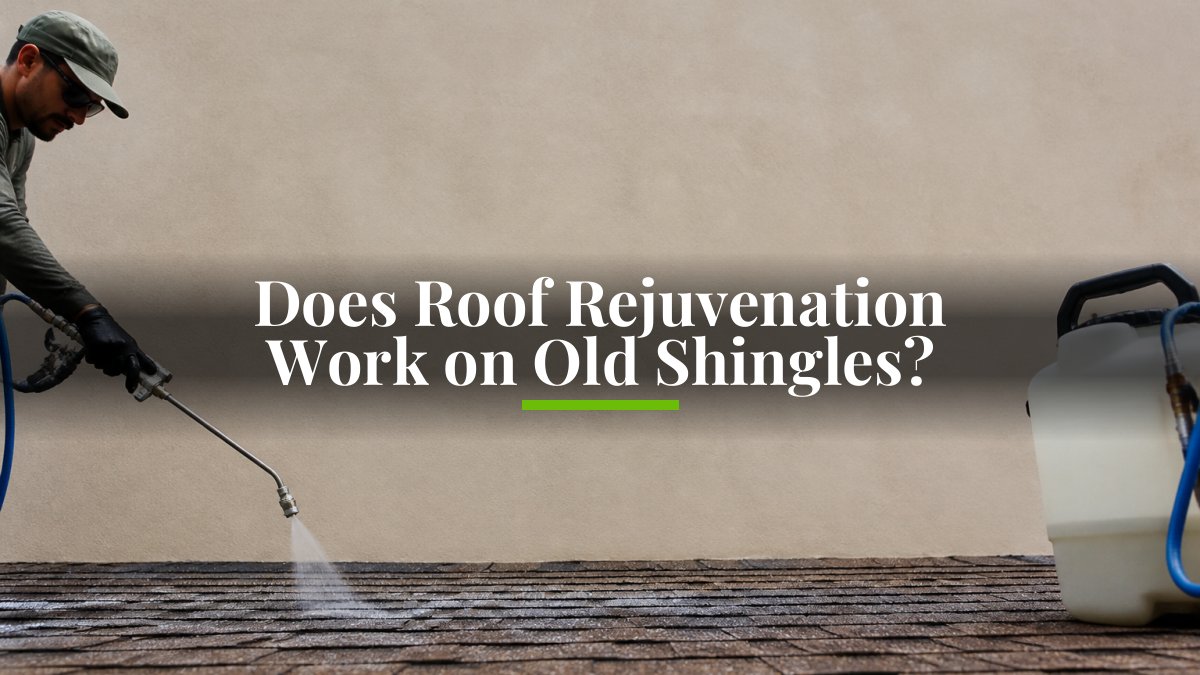
Does Roof Rejuvenation Work on Old Shingles?
Table of Contents
- What Roof Rejuvenation Actually Does to Aging Asphalt Shingles
- Roof Rejuvenation Eligibility: Which Old Shingles Can Be Treated
- Signs Shingles Need Replacement, Not Rejuvenation
- Roof Rejuvenation vs Roof Replacement: A Side-by-Side Breakdown
- How Long Roof Rejuvenation Lasts in a High-Desert Climate
- How to Vet a Roofing Contractor Before You Sign Anything
- Conclusion: Matching the Treatment to the Roof You Actually Have
- Frequently Asked Questions
Last Updated: October 12, 2026
What Roof Rejuvenation Actually Does to Aging Asphalt Shingles
Roof rejuvenation is a spray-on treatment that soaks into aging asphalt shingles and replaces the oils the sun has baked out of them. This guide from FRESH TEC LLC covers how the treatment works, which roofs qualify, and when replacement is the only honest answer.
Here is the short version: rejuvenation works well on shingles that are dried out but still intact. It does not work on shingles that are already curled, cracked, or missing granules.
So does roof rejuvenation work on old shingles? Yes, with one condition. The shingle has to be worth saving.
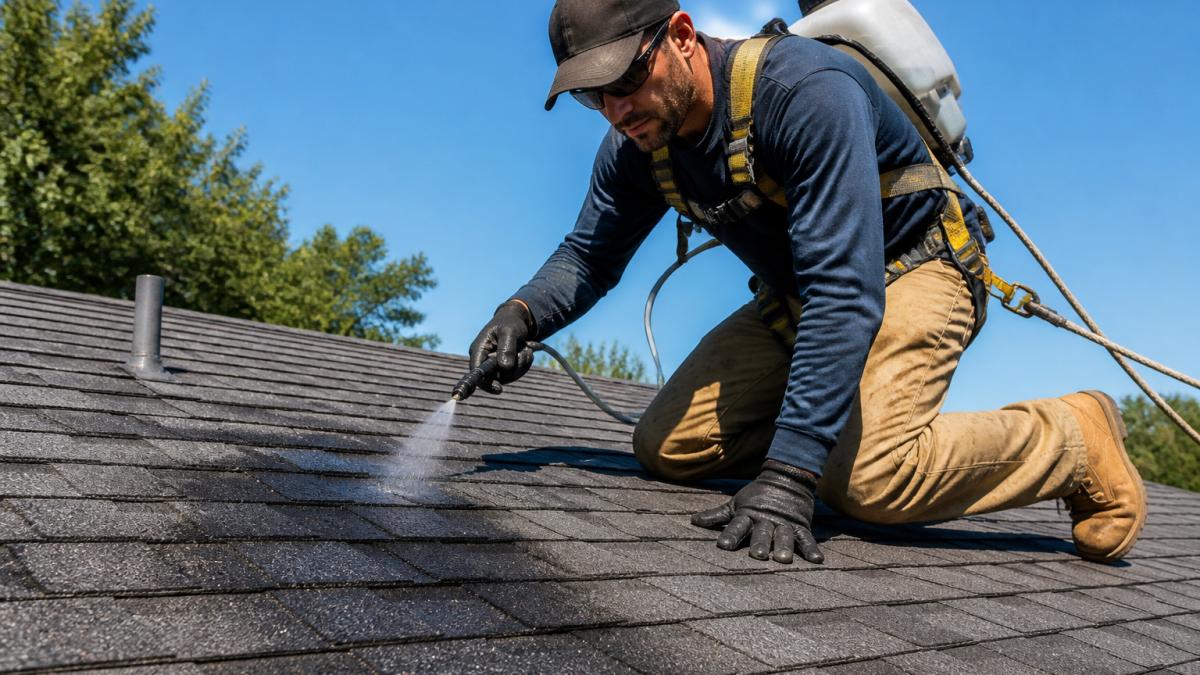
How the Treatment Reaches the Shingle Instead of Sitting on Top
Standard sealants sit on the surface like paint. They dry into a film that peels within a season or two.
FRESH ROOF TREATMENT works differently. Our plant-based GreenSoy™ Technology soaks into the shingle mat and restores the flexibility that UV exposure strips away.
That absorption is the whole point. A flexible shingle sheds water and handles hail. A brittle one shatters.
Roof Rejuvenation Eligibility: Which Old Shingles Can Be Treated
Not every roof qualifies, and any honest contractor will tell you so. The treatment needs a shingle that is dry but structurally sound. If the mat is torn or the granules are gone, no spray will bring it back.
The 5-Point Checklist Before Any Treatment
- Shingles still lie flat, with no curling at the edges
- Granules remain across most of the surface
- No soft or spongy spots in the roof deck
- No active leaks or water stains in the attic
Fail two or more of these, and replacement moves to the top of the list.
Signs Shingles Need Replacement, Not Rejuvenation
Replace the roof when the damage has moved past the surface. Curling, cracking, and granule loss mean the shingle itself is breaking down, and a spray cannot rebuild a shingle that is already gone.
Watch for these signs:
- Shingles curling or cupping at the corners
- Bald patches where granules have washed away
- Cracks running through individual shingles
- Granules collecting in gutters and downspouts
Any one of these points to replacement. A roof deck that has gone soft needs repair before anything else happens.
Roof Rejuvenation vs Roof Replacement: A Side-by-Side Breakdown
The two options solve different problems, and the right answer depends on the condition of the shingle, not on the size of the budget. Rejuvenation buys time on a roof that is drying out. Replacement resets the clock on a roof that has already failed. Repair sits between them and is often the honest answer when the damage is localized.
| Factor | Roof Rejuvenation | Targeted Repair | Full Replacement |
|---|---|---|---|
| Best for | Dry but intact shingles across most of the roof | Isolated damage: a few shingles, one flashing detail, a single valley | Curled, cracked, leaking, or granule-depleted roofs |
| Work involved | Spray applied, no tear-off | Replace individual shingles or flashing, reseal penetrations | Tear-off and new installation |
| Disruption | A few hours, no dumpster | A few hours to a day | Days of noise and debris |
| Lifespan added | 6-8 years per treatment | Extends the life of the surrounding roof, but does not reset it | A full new roof cycle |
| Warranty | 6-year warranty from us | Varies by scope | Varies by manufacturer |
| When it is the wrong call | Shingles are curled, cracked, or missing granules | Damage is widespread or the deck is soft | The roof still has good shingles and no leaks |
A Decision Framework You Can Apply in Ten Minutes
Work through these questions in order. The first "yes" usually settles it.
- Is there an active leak or water staining in the attic? If yes, stop here. Rejuvenation is not a leak repair, and a spray will not stop water. The roof needs repair or replacement.
- Are shingles curling, cupping, or cracking across more than a small area? If yes, the shingle mat is failing. Replacement is the durable fix.
- Is the granule loss widespread, with bald patches and granules collecting in gutters? If yes, the shingle has lost its UV protection and is near the end of its service life. Replacement.
- Is the roof deck soft or spongy anywhere? If yes, the deck needs repair before anything else. A soft deck under new shingles will fail again.
- Is the roof under roughly 20 years old, with shingles that still lie flat and hold granules? If yes, rejuvenation is a reasonable candidate. Get an inspection to confirm.
- Is the damage isolated to one slope, one valley, or one flashing detail? If yes, a targeted repair may be the honest answer, with rejuvenation on the remaining healthy slopes if they qualify.
The Lifecycle Math Behind the Choice
Rejuvenation is not a permanent fix, and it is not priced like one. The relevant comparison is cost per year of service life, not total cost.
That is why the eligibility checklist matters more than the price. A treatment on a qualifying roof is a good spend. A treatment on a failing roof is money spent to delay a replacement you will still need.
Where Rejuvenation Fits in a Longer Plan
For a roof that still has good shingles, rejuvenation is a way to space out capital spending. Property managers and homeowners often treat a qualifying roof now, then plan for replacement on a known timeline rather than an emergency one.
If the roof does not qualify, the honest answer is replacement, and the sooner you plan for it, the more control you have over the schedule and the contractor you choose.
For a roof that still has good shingles, rejuvenation is the smarter spend. For a roof that is already leaking, replacement is the only fix. For everything in between, get an inspection before you commit to either.
How Long Roof Rejuvenation Lasts in a High-Desert Climate
Expect 6-8 years of added life from a single treatment in our climate. The high desert is brutal on asphalt: intense UV, wide swings between hot days and cold nights, and months with almost no rain.
The treatment restores flexibility, so the shingle handles that swing without cracking. Realtors and property managers use it to get exteriors show-ready before a listing.
How to Vet a Roofing Contractor Before You Sign Anything
Most roofing complaints do not start with bad shingles. They start with a handshake and a verbal quote. The vetting process below is built around documents you can hold, not promises you have to remember.
Credentials You Can Verify, Not Just Accept
- State licensing. Ask for the license number in writing, then look it up through your state's contractor licensing board. A legitimate roofer will give you the number without being asked twice.
- General liability and workers' compensation insurance. Request a certificate of insurance naming you as the certificate holder, then call the insurer to confirm the policy is active. If a crew member is injured on your property and the contractor carries no workers' comp, the claim can land on your homeowner's policy.
- A physical local address. A street address you can drive past, not just a phone number and a magnetic sign. Local contractors can return for warranty work; storm-chasing crews cannot.
- A permanent business presence. Check that the business name, address, and phone number are consistent across the estimate, the contract, and the state registration. Inconsistent paperwork is a common sign of a temporary operation.
What the Written Estimate and Contract Should Contain
A one-page estimate with a single lump-sum figure is not enough to protect you. Ask for these terms in writing before you sign:
- Scope of work. Which slopes are being treated or replaced, and which are not. Partial-scope jobs are common and should be spelled out.
- Materials and quantities. Product name, manufacturer, and the number of squares or bundles. "Premium shingles" is not a specification.
- Decking allowance. A stated per-sheet allowance for replacing rotted roof decking, with the price for additional sheets beyond that allowance. Without this, decking surprises become change orders.
- Underlayment and flashing. The specific underlayment type and whether existing flashing, drip edge, and valley metal are being reused or replaced.
Payment Safeguards and Red Flags
Never pay the full amount up front. A deposit that covers materials is normal; a demand for the entire balance before the first shingle is lifted is not. Pay by check or card so there is a record, and never pay in cash to an individual rather than the business.
Watch for these patterns:
- Door-to-door solicitation after a storm, with pressure to sign that day
- A price that drops if you "let them use your roof as a demonstration"
- A request to sign over an insurance claim or to "handle the paperwork" for you
- No written contract, or a contract with blank fields to be filled in later
- A demand for full payment before materials are delivered
References and a Pre-Sign Walkthrough
Ask for three recent jobs in your area, ideally within the last year, and call them.
Before signing, walk the property with the contractor and confirm what is being treated or replaced, where materials will be staged, and where the dumpster will sit.
FRESH TEC LLC is a local, veteran-owned business, and our 6-year warranty is backed by a team you can actually reach.
Conclusion: Matching the Treatment to the Roof You Actually Have
The hard part is not the treatment itself. It is being honest about which roof you have. A dry, intact roof is a great candidate for rejuvenation. A curled, leaking roof needs replacement, and no spray will change that.
If you are not sure which one you are looking at, get an inspection before you spend a dollar. FRESH TEC LLC offers free inspections across Albuquerque and Rio Rancho, and we will tell you plainly if treatment is the wrong call for your roof. Book your free inspection and get a straight answer.
Frequently Asked Questions
Does roof rejuvenation work on old shingles?
It works on old shingles that still have structure left. The treatment soaks into dry, aging asphalt and restores flexibility so shingles resist cracking and wind lift. It cannot rebuild granules that are already gone, fix cracked or missing shingles, or stop an active leak. A roof inspection determines whether your shingles qualify. Roofs that are still shedding granules but feel brittle and dry tend to respond best.
How old can shingles be for roof rejuvenation?
Age alone does not disqualify a roof, but condition does. Asphalt shingles that are roughly 60 to 90 percent through their expected service life are often the strongest candidates, since they still have material left for the treatment to penetrate. Shingles that are curling, cracking, or losing large amounts of granules usually fall outside roof rejuvenation eligibility. An inspection confirms whether your roof is in the treatable window.
Can roof rejuvenation fix cracked or missing shingles?
No. Rejuvenation is a preventive treatment, not a repair. Cracked, torn, or missing shingles need to be replaced individually before treatment, and any active leak needs to be addressed first. If a large portion of the roof has failed shingles, replacement is the better path. A contractor should walk the roof and separate repairable damage from wear that disqualifies the whole surface.
How long does roof rejuvenation last, and when should I replace instead?
Results typically hold for several years, with FRESH TEC LLC backing its FRESH ROOF TREATMENT with a 6-year warranty. Choose replacement when shingles are cracked, missing, or leaking, when the roof deck is damaged, or when the roof has already reached the end of its service life. If the shingles are dry and brittle but structurally sound, rejuvenation can extend their life at a fraction of replacement.