 how-to
What to Consider Before Replacing a Roof
Table of Contents
- Signs You Need a New Roof
- Roof Repair vs. Replacement: Making the Right Choice
- Questions to Ask a Roofing Contractor
- Roof Replacement Checklist and Planning Timeline
- Budgeting, Insurance, and Payment Safeguards
- Conclusion
- Frequently Asked Questions
Last Updated: October 12, 2026
Signs You Need a New Roof
Your roof is your home's first defense against weather, water damage, and structural problems. Knowing what to consider before replacing a roof, repair or replace, saves thousands in emergency repairs. At FRESH TEC LLC, we help homeowners and property managers spot the signs early, before problems become disasters.
Visual damage and deterioration
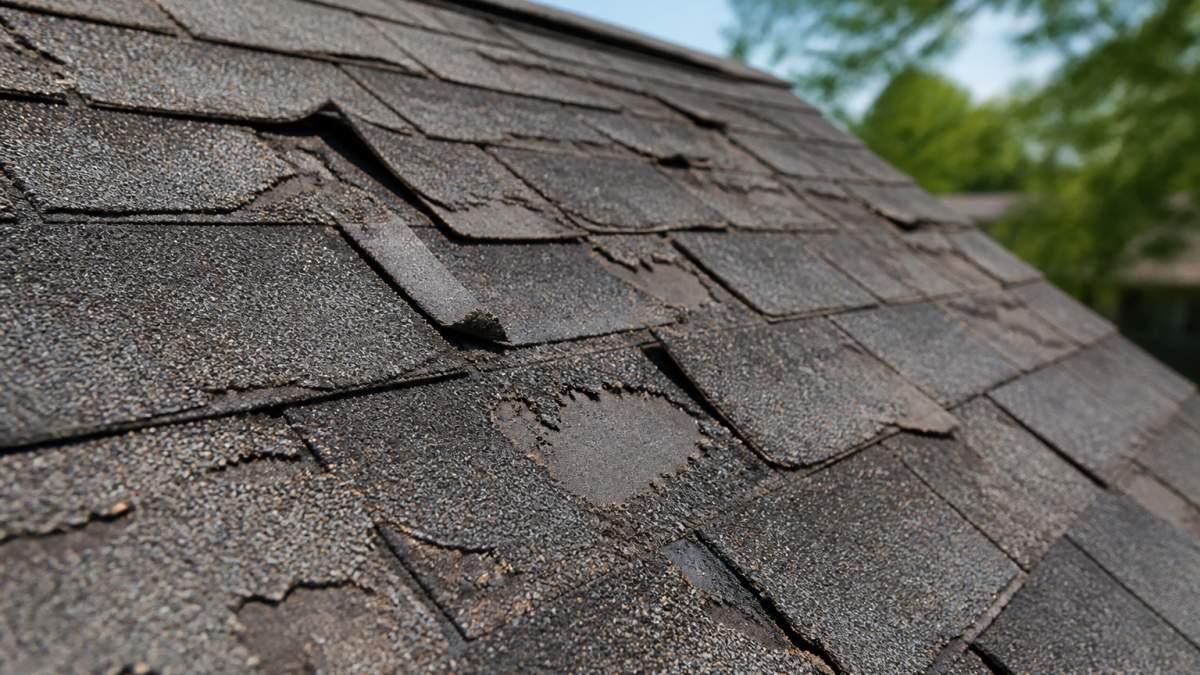
Walk around your home and look up. Visible shingle damage is the clearest signal something needs attention. Look for:
- Curling or cupping shingle edges
- Missing shingles or large patches of bare roof deck
- Cracked or split shingles across multiple areas
Granule loss is particularly telling: once the protective coating washes away, the underlying asphalt deteriorates faster.
Interior signs of roof problems
Sometimes the roof looks fine, but water is already getting inside. Check your attic and ceilings for:
- Water stains on ceilings or walls, especially after rain or snow
- Visible mold or mildew in the attic or along roof framing
- Daylight through roof boards or gaps in the attic
Water damage spreads fast, a small leak becomes structural within months. If you spot stains, inspect the roof immediately.
Roof Repair vs. Replacement: Making the Right Choice
When deciding what to consider before replacing a roof, should you patch the problem or replace the whole roof? Repair and replacement are two points on a timeline, and the right choice depends on where your roof sits on it. Work through the framework below in order.
Step 1: Age against expected service life
Start with age, because it sets the ceiling on everything else.
- Asphalt shingles: typically 15-20 years in moderate climates, shorter in intense sun or high-wind zones
- Metal roofing: 40-70 years depending on material and coating
- Flat roof systems (built-up, TPO, EPDM, modified bitumen): roughly 15-25 years, varying by material and drainage quality
Past 75% of expected service life with any active problem, replacement usually wins on lifecycle cost. Under 50% with isolated damage, repair usually wins.
Step 2: Damage extent and pattern
Isolated and widespread damage are different problems.
- Isolated: one or two areas, a single flashing failure, damage from one event. Repair is reasonable.
- Widespread: curling or missing shingles across multiple slopes, granule loss over large areas, repeated leaks in different spots. Replacement is the realistic path.
Rule of thumb: if damage covers more than roughly 30% of the roof surface, or repairs would touch the same area more than once, replacement becomes more cost-effective than patching.
Step 3: Leak history
Leak history is the factor homeowners most often underestimate.
- First leak, single source, found quickly: repair.
- Second leak in the same area within a few years: the underlying cause was not fixed. Investigate before repairing again.
- Leaks in multiple locations, or leaks that return after repair: the roof is failing systemically. Replacement is the honest recommendation.
Every leak that reaches the deck risks rot, mold, and insulation damage, repairs that can exceed the roof cost itself.
Step 4: Repair cost as a share of replacement cost
This is the clearest financial test.
- Repair under about 25-30% of full replacement cost: repair is usually the better call, provided the roof still has meaningful service life left.
- Repair at 50% or more of replacement: replacement is almost always the better value.
- Between 30% and 50%: the decision hinges on age and leak history. A young roof with one bad area may still be worth repairing; an older roof in that range is usually ready for replacement.
When repair makes financial sense
Repairs work best when:
- Your roof is under 15 years old
- Damage is isolated to one or two areas
- Only a few shingles are missing or damaged
A targeted repair can extend your roof's life by several years, but if multiple problem areas are already showing, repair just delays the inevitable.
When full replacement is necessary
You need full replacement if:
- Your roof is 20+ years old
- Damage covers more than 30% of the roof surface
- You're repeating the same repair in the same area
Once a roof reaches a certain age or damage level, replacement becomes more cost-effective, and you get a new warranty on materials and workmanship.
The middle ground: restoration and rejuvenation
Not every aging roof needs a full tear-off.
FRESH TEC LLC offers FRESH ROOF TREATMENT, which uses plant-based GreenSoy™ Technology to restore and rejuvenate aging asphalt shingles.
Restoration is not a substitute for replacement when the deck is compromised, flashing has failed, or leaks are active.
(https://blog.freshtec.solutions/how-long-does-roof-rejuvenation-last) shingle lifespan by 6-8 years at a fraction of replacement cost, making it an ideal choice for homeowners wanting to delay or avoid full roof replacement.Metal roofing
Metal roofing (aluminum, steel, or copper) lasts 40-70 years and handles extreme weather well. It's best for homes in high-wind or heavy-snow areas, long-term owners planning to stay 20+ years, and homeowners wanting minimal maintenance. Metal costs more upfront but lasts far longer than asphalt, reflects heat better (potentially lowering cooling costs), and handles storms better.
Flat roof systems
Flat roofs use built-up roofing, TPO, EPDM rubber, or modified bitumen, and are common on commercial buildings, multi-unit properties, modern flat or low-slope homes, and structures with rooftop equipment or solar panels.
Lifespan varies by material: 15-25 years for most systems. They're prone to ponding if drainage is poor, so regular maintenance and inspections are essential.
Questions to Ask a Roofing Contractor
Choosing the right contractor matters as much as choosing the right material. Ask before hiring:
- How many years have you been in business, and do you have local references?
- Are you licensed and insured? (Verify current credentials)
- Will you pull permits and handle inspections?
A trustworthy contractor answers clearly and provides everything in writing.
Roof Replacement Checklist and Planning Timeline
Replacing a roof is a major project. Planning ahead prevents surprises and keeps the work on schedule.
Pre-replacement preparation
Start these steps 2-4 weeks before installation:
- Confirm your contractor's start date and expected duration
- Move vehicles away from the work area
- Trim tree branches hanging over the roof
Confirm weather forecasts a few days before work begins.
During installation and final inspection
The actual replacement typically takes 1-3 days depending on roof size and complexity.
During installation:
- Stay inside or off the property (it's a safety zone)
- Expect significant noise from nail guns and debris removal
- Ensure the crew has clear access to water and restrooms
After installation, do a final walkthrough with the contractor. Check that:
- All old roofing material is removed and hauled away
- New material is installed evenly with no gaps
- Flashing around chimneys, vents, and skylights is sealed properly
A final inspection catches problems before they become water leaks.
Budgeting, Insurance, and Payment Safeguards
Roof replacement is a significant expense. Understanding costs, financing, insurance, and payment protections is essential, and it's where homeowners lose the most money to avoidable mistakes.
Getting and comparing estimates
Get multiple written estimates from different contractors. Estimates should include:
- Square footage of roof area
- Material type and brand
- Labor costs broken down by task
Compare estimates side by side. The cheapest option isn't always the best, a dramatically lower bid usually means something is missing: underlayment, decking repair allowance, flashing replacement, or proper disposal.
Financing options
Most homeowners don't pay for a roof replacement in one lump sum. Common approaches:
- Contractor financing: Many roofing companies partner with lenders on installment plans. Compare the APR, not just the monthly payment.
- Home equity loan or HELOC: Often the lowest-rate option for homeowners with equity. Interest may be tax-deductible if funds improve the home; consult a tax professional.
- Personal loan: Faster to obtain, but usually a higher rate than home equity products.
Compare the total cost of each option, not just the monthly figure. A longer term lowers the payment but raises the total interest paid.
Insurance claims for storm damage
Check whether your homeowner's insurance covers replacement. Storm damage, hail, and wind often qualify.
How the claim process typically works:
- Document the damage, photos of the roof, interior water stains, and any damaged property.
- File the claim promptly, most policies have time limits for reporting storm damage.
- Adjuster inspection, the insurer assesses the damage and issues a scope of loss.
- Get contractor estimates, compare the adjuster's scope against what contractors say is needed.
- Negotiate if needed, if the scope misses items, request a supplement with contractor documentation.
- Receive payment, often in two stages: an initial payment (ACV, actual cash value) and a final payment (RCV, replacement cost value) once work is complete.
Keep all documentation and receipts. If your claim is denied, ask for the denial in writing and the specific policy language cited.
Payment schedules and deposit safeguards
Never pay the full amount upfront. A fair payment schedule looks like:
- 10-25% deposit to secure the start date
- A progress payment when materials are delivered and work begins
- Final payment upon completion and your inspection
Protect yourself:
- Pay with a credit card if possible, easier to dispute if problems arise.
- Avoid cash payments. If you must pay cash, get a signed receipt every time.
- Get everything in writing: contract, warranty, payment terms, and start/end dates.
Warning signs of a contractor scam
Most roofers are honest. The bad actors follow recognizable patterns:
- Door-to-door pressure after a storm, legitimate contractors don't need to create urgency.
- Demand for full payment upfront, a major red flag.
- No physical address or local references, verify a real business location and local jobs.
What a solid contract should include
Before signing, confirm the contract spells out:
- Scope of work, including tear-off, decking, underlayment, flashing, and ventilation
- Material specifications (brand, product line, color)
- Decking repair allowance, how much per sheet, and how change orders are handled
If a term is unclear, ask before signing. A contractor who resists putting details in writing is telling you something.
Verify a contractor's license and complaint history
Conclusion
Deciding whether to repair or replace your roof comes down to age, damage extent, and cost.
Before making a final decision, get a professional inspection. A qualified contractor can assess your roof's condition and give you honest advice.
FRESH TEC LLC helps homeowners in Albuquerque and Rio Rancho make smart roof decisions. We also handle roof inspections, flat roof coatings, and gutter cleaning, all backed by our industry-leading 6-year warranty.
Book a free inspection with FRESH TEC LLC today and get a clear assessment of your roof's condition and the best path forward for your property.
Frequently Asked Questions
How do you know when a roof needs repair versus full replacement?
If your roof is less than 15 years old with damage limited to a small area (under 30% coverage), repair is usually sufficient. For roofs over 20 years old, showing widespread damage, or with multiple leaks, replacement is more cost-effective. A professional roof inspection can assess whether your roof has structural integrity or if deterioration is too advanced for repair alone.
What questions should you ask a roofing contractor before hiring?
Ask about their credentials, licensing, and insurance coverage. Request a written estimate detailing materials, labor, and timeline. Inquire about the manufacturer warranty on materials and their workmanship warranty. Ask how they'll protect your property during installation, what happens if weather delays the project, and whether they handle permit applications. Request references from recent jobs in your area.
What should be on a roof replacement checklist before work begins?
Document your roof's current condition with photos. Secure any loose items or outdoor furniture. Trim tree branches near your roof. Inform neighbors about the project timeline. Arrange for driveway protection if needed. Confirm the contractor's arrival date and expected duration. Clear your attic access for ventilation inspection. Ensure someone is home during work to address questions. Plan for temporary noise and disruption to your household.
What roofing materials work best for different climates?
Asphalt shingles are affordable and work well in moderate climates but may deteriorate faster in extreme heat or cold. Metal roofing handles high winds, heavy snow, and intense sun effectively, making it ideal for harsh climates. Flat roof systems with proper coatings work for low-slope designs. Consider your local weather patterns, UV exposure, and wind speeds when choosing materials. A local contractor can recommend what performs best in your specific area.