 how-to
Free Roof Maintenance Estimate: What It Includes
Table of Contents
- What a Free Roof Maintenance Estimate Should Include
- Step 1: Schedule a Professional Roof Inspection
- Step 2: Walk the Property and Document Conditions
- Signs Your Roof Needs Professional Maintenance
- Roof Maintenance Checklist for Homeowners
- How to Maintain Flat Roofs Naturally
- Questions to Ask Before Approving the Work
- Conclusion
- Frequently Asked Questions
Last Updated: September 7, 2026
A roof maintenance estimate is a professional assessment of your roof's current condition that outlines the specific repairs, cleaning, or treatments needed to extend its lifespan, often provided at no cost. Catching small issues early through routine inspections can prevent costly emergency repairs. This guide from FRESH TEC walks you through what a free roof maintenance estimate should include, how to prepare for one, and how to evaluate the recommendations you receive.
A maintenance estimate is not a repair quote for a specific failure; it's a proactive evaluation designed to catch problems before they become leaks, structural damage, or premature replacement needs. Below, we'll show you what happens during the inspection process, the signs that should prompt you to book one, and the questions to ask before any work begins.
What a Free Roof Maintenance Estimate Should Include
A legitimate free roof maintenance estimate provides a clear scope of work based on a physical inspection of your property, not a generic price pulled from a zip code lookup. It should document the current condition of your shingles, flashing, gutters, and ventilation, then recommend specific preventative maintenance actions with a cost breakdown for each item.
Your roof maintenance estimate should also clarify what it does not cover. Many contractors provide a no-obligation estimate that identifies issues requiring a separate repair quote, such as active leaks or structural concerns, protecting you from surprise costs.
Step 1: Schedule a Professional Roof Inspection
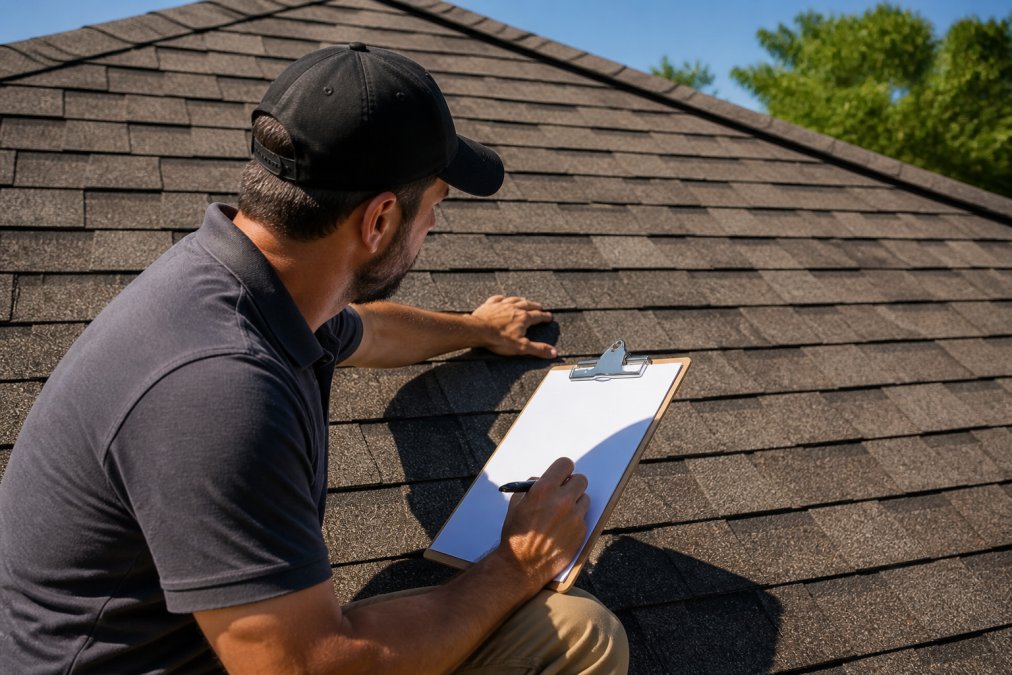
The first step to getting a free roof maintenance estimate is scheduling a professional roof inspection with a licensed and insured roofing contractor, who will assess structural integrity, check for signs of wear, and identify areas where preventative maintenance can add years to your roof's lifespan.
A thorough inspection covers the roof surface, flashing around chimneys and vents, gutter attachments, and attic ventilation. The contractor should also note your roof pitch and roofing materials, as these influence maintenance recommendations and repair costs. Expect the inspection to take thirty to sixty minutes.
Step 2: Walk the Property and Document Conditions
After the initial inspection, a quality contractor will walk the property with you to show you what they found. This is your opportunity to see the evidence firsthand, ask questions, and understand why each maintenance item was recommended. A reputable contractor will document issues with photos and explain the timeline for addressing them.
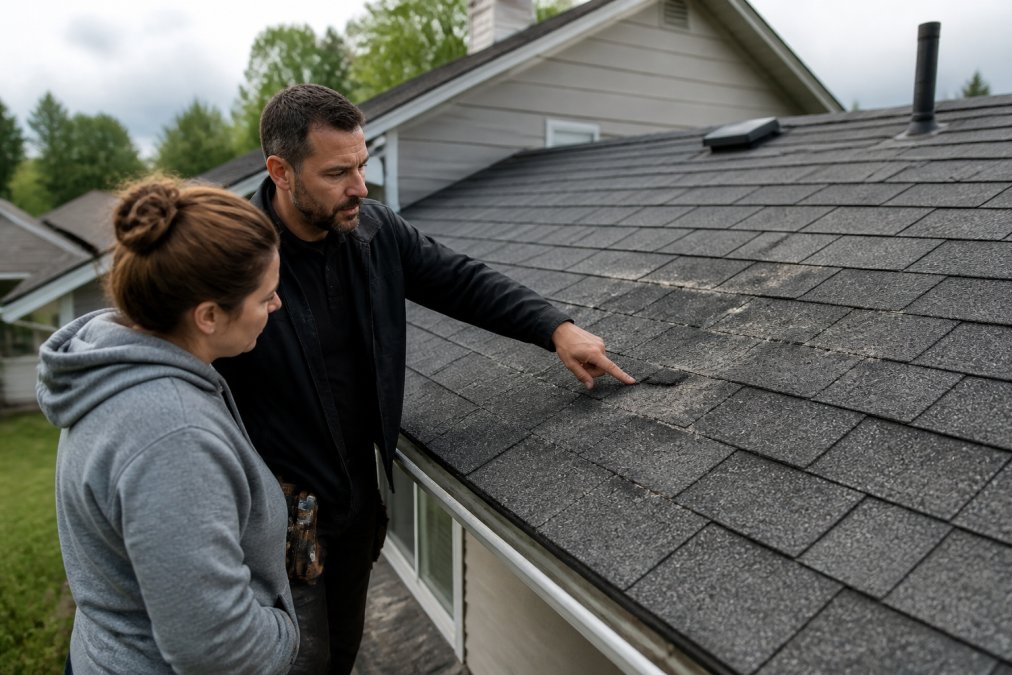
During this walkthrough, pay attention to how the contractor describes the severity of each issue. A professional assessment distinguishes between cosmetic wear, preventative maintenance needs, and problems requiring immediate attention. The written estimate should match what you see on the roof, with clear explanations for each recommended service.
Signs Your Roof Needs Professional Maintenance
Several warning signs indicate your roof needs professional maintenance before small issues become expensive repairs. Curling or buckling shingles, granules in your gutters, and visible light entering your attic signal that your roof's protective layer is deteriorating (energystar.gov). If you notice any of these, scheduling a roof maintenance estimate should be a priority.
Other signs include moss or algae growth, rust spots on flashing, and sagging sections suggesting structural concerns. Many homeowners overlook roof ventilation, which prevents heat and moisture damage that shortens roof longevity. Addressing these issues early is almost always more cost-effective than waiting for a leak to force an emergency repair.
Roof Maintenance Checklist for Homeowners
A roof maintenance checklist for homeowners should include seasonal visual checks and scheduled professional inspections. Twice a year, typically in spring and fall, walk your property and look for damaged shingles, debris buildup, and wear around flashing and vents. Keep gutters clear of leaves and granules, as clogs can cause water to back up under roofing materials.
Beyond your own visual checks, a professional inspection every one to three years helps catch issues not visible from the ground, especially after severe weather events. A maintenance-focused contractor will also check your roof's underlayment and ventilation as part of a comprehensive assessment.
| Maintenance Task | Frequency | Purpose |
|---|---|---|
| Visual ground check for damaged shingles | Twice yearly | Catch obvious wear early |
| Gutter cleaning and inspection | Twice yearly | Prevent water backup damage |
| Professional roof inspection | Every 1-3 years | Identify hidden structural issues |
| Post-storm damage assessment | After severe weather | Document damage for insurance claims |
| Flashing and sealant check | With professional visit | Prevent leaks at penetration points |
How to Maintain Flat Roofs Naturally
While "naturally" often conjures images of plant-based cleaners, in flat roofing it primarily means using preventative measures that reduce thermal stress and chemical exposure. To get an accurate free estimate for a flat roof, you must understand the specific failure points a contractor will be pricing.
The Seasonal Timing Angle
The best time to request a flat roof maintenance estimate is late spring (April-May) or early fall (September-October). Requesting an estimate during these shoulder seasons accomplishes two things:
- Avoids Peak Pricing: Roofing contractors are busiest after major storm events, when demand outstrips supply and you are more likely to receive a rushed estimate or a higher price due to overtime labor costs.
- Aligns with Material Application Windows: Many reflective coatings and sealants have specific temperature application ranges (usually between 50°F and 85°F) (energy.gov). Scheduling in spring or fall ensures the application window will be optimal, preventing adhesion failures that void warranties.
What a Flat Roof Estimate Must Address
A flat roof estimate is not the same as a sloped asphalt shingle estimate. A competent contractor will focus on the membrane type (EPDM, TPO, PVC, or modified bitumen) and assess these specific zones:
- Ponding Water: The estimate should identify areas where water remains standing for more than 48 hours (fema.gov). This is a structural red flag, not just a cosmetic one. The estimate must specify whether the fix involves clearing drains, adding tapered insulation, or re-pitching a section.
- Seam Integrity: On single-ply membranes (TPO/PVC), the seams are the weakest point. The estimate should detail the condition of the seam welds and whether any are lifting or bubbling.
- Flashings and Penetrations: The estimate must itemize the condition of the metal flashing at parapet walls, HVAC curbs, and roof drains, the most common leak sources on flat roofs.
The "Natural" Maintenance Protocol
When you ask for a free estimate, ask the contractor specifically about their approach to debris removal and drainage. The most natural and cost-effective maintenance is keeping the roof free of organic debris, as leaves and dirt hold moisture against the membrane, accelerating algae growth and degradation. A good estimate will include a line item for clearing drains and scuppers, as clogged drainage is the primary cause of premature flat roof failure.
Evaluating the Cost Breakdown
When you receive the free estimate, it should separate costs into distinct categories: cleaning/debris removal, seam/penetration repair, and coating application. If the estimate lumps everything into a single "flat roof service" price, ask for a breakdown. This granularity allows you to compare bids accurately and ensures you are not paying for a full coating application when you only need drain clearing and seam patching.
By understanding seasonal timing and the specific components of a flat roof system, you can evaluate the free estimate with the same rigor you would apply to a sloped roof, ensuring you are not overpaying for generic services.
Questions to Ask Before Approving the Work
Before you approve any maintenance work, you must evaluate the quality of the documentation you received. A free estimate is only as good as the evidence behind it. The difference between a professional assessment and a sales pitch often comes down to the visual documentation standards the contractor adheres to. Here is the specific line of questioning that separates the two.
Demand a Visual Evidence Standard
Do not approve work based on a verbal description or a generic checklist. Ask the contractor directly: "Will your estimate include a photo log with time-stamped images for each issue you identified?"
A professional estimate should include a visual appendix documenting the following:
- Macro shots of defects: Close-up photos of curling shingles, cracked flashing, or failed sealant, not just wide-angle shots.
- Contextual shots: A photo showing the defect in relation to a fixed reference point (e.g., a vent pipe or chimney) so you can verify the location.
- Drone or aerial footage: For steep-slope roofs or large properties, ask if the contractor uses drone technology to document valleys and upper slopes not visible from a ladder. If not, ask how they accessed those areas safely.
The Insurance Claim Integration Question
If you suspect your roof damage was caused by a recent storm, the estimate serves a dual purpose: it is a maintenance plan and a piece of evidence for an insurance claim. Ask the contractor: "Is this estimate formatted to support an insurance claim if needed?"
A contractor who understands the claims process will structure their documentation to include:
- Weather event correlation: Noting whether the damage pattern (e.g., hail strikes or wind-lifted flashing) is consistent with a specific recent storm date.
- Pre-existing condition notes: Distinguishing between long-term wear (which insurance typically does not cover) and sudden storm damage (which it does).
- Line-item pricing: Providing a detailed breakdown an adjuster can easily match against their own scope of work.
If the contractor cannot explain how their documentation would be used in a claim, you may need to request a separate, more detailed report. Most contractors will provide this for free if they believe the claim will result in approved work.
The Scope and Warranty Verification
Beyond documentation, you must clarify the boundaries of the work. Ask these three specific questions:
- "Does this estimate include a written warranty for the workmanship, and does it specify the exact materials to be used?" A vague warranty that references "standard roofing practices" is less valuable than one that names the specific sealant, coating, or replacement shingle model.
- "What is the payment schedule tied to?" A professional estimate should tie payment milestones to verified inspection points (e.g., "50% due upon completion of the inspection and photo documentation, 50% due upon final walkthrough"). Avoid paying the full amount upfront before the work is documented.
- "Who is the point of contact for the crew?" Confirm that the person who performed the inspection will be the same person overseeing the work. If the estimate is handed off to a separate production crew, the nuances of the documented issues may be lost.
By asking these documentation-focused questions, you transform the free estimate from a sales tool into a decision-making document, ensuring the work you approve is precisely what your roof actually needs.
Conclusion
Getting a free roof maintenance estimate is the smartest first step toward protecting one of your home's most valuable systems. By understanding what a proper inspection covers and what questions to ask, you can make confident decisions that extend your roof's lifespan and avoid costly emergency repairs.
At FRESH TEC, we provide professional, eco-friendly roof maintenance using patented GreenSoy™ Technology, a plant-based formula that restores asphalt shingles and extends their life by 6-8 years. Our comprehensive service suite includes roof rejuvenation, gutter cleaning, and solar panel maintenance, all backed by an industry-leading 6-year warranty. Book your free inspection today and see how sustainable exterior care can protect your investment.
Frequently Asked Questions
Are roof repair estimates free?
Many roofing contractors offer a free estimate. A no-obligation estimate typically includes an inspection of your roof's condition, a scope of work, and a written quote. You should confirm that the estimate is free before scheduling. A professional assessment should cover shingle condition, flashing, gutters, and ventilation without any pressure to sign a service agreement immediately.
What should be included in a professional roof maintenance estimate?
A professional estimate should include a detailed scope of work, a cost breakdown for materials and labor, and a project timeline. It should also list the specific areas inspected, such as flashing, gutters, and underlayment. Look for a written quote that outlines warranty coverage and payment terms. A thorough estimate helps you compare options and avoid surprise costs.
How often should you get a professional roof inspection?
You should schedule a professional roof inspection at least once a year, ideally in the spring or fall. Regular inspections help identify minor issues before they become expensive repairs. After severe weather, an inspection is also wise to check for damage. Preventative maintenance can extend your roof's longevity and protect your investment.
Can you get your roof fixed for free?
Getting a roof completely fixed for free is unlikely. However, many contractors provide a free, no-obligation estimate that includes a professional assessment of the damage. If the issue stems from an insurance claim, your policy may cover the repair costs. In that case, you need a contractor who can document the damage to support your claim.