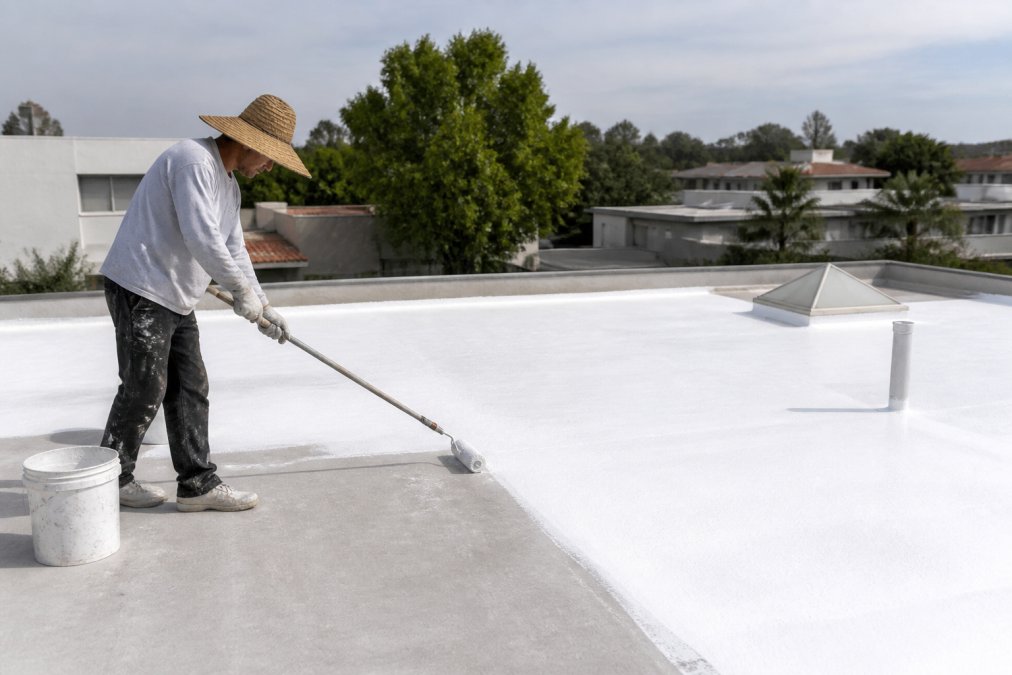
 ultimate-guide
Benefits of Plant Based Roof Coatings: 2026 Guide
Table of Contents
- Why Plant Based Roof Coatings Are Changing Roof Maintenance
- Key Benefits for Homeowners and Property Managers
- How Long Does Roof Rejuvenation Last?
- Benefits of Roof Rejuvenation vs Replacement
- What Is Sustainable Flat Roof Coating?
- Application, Maintenance, and Compatibility
- Frequently Asked Questions
Last Updated: September 14, 2026
Why Plant Based Roof Coatings Are Changing Roof Maintenance
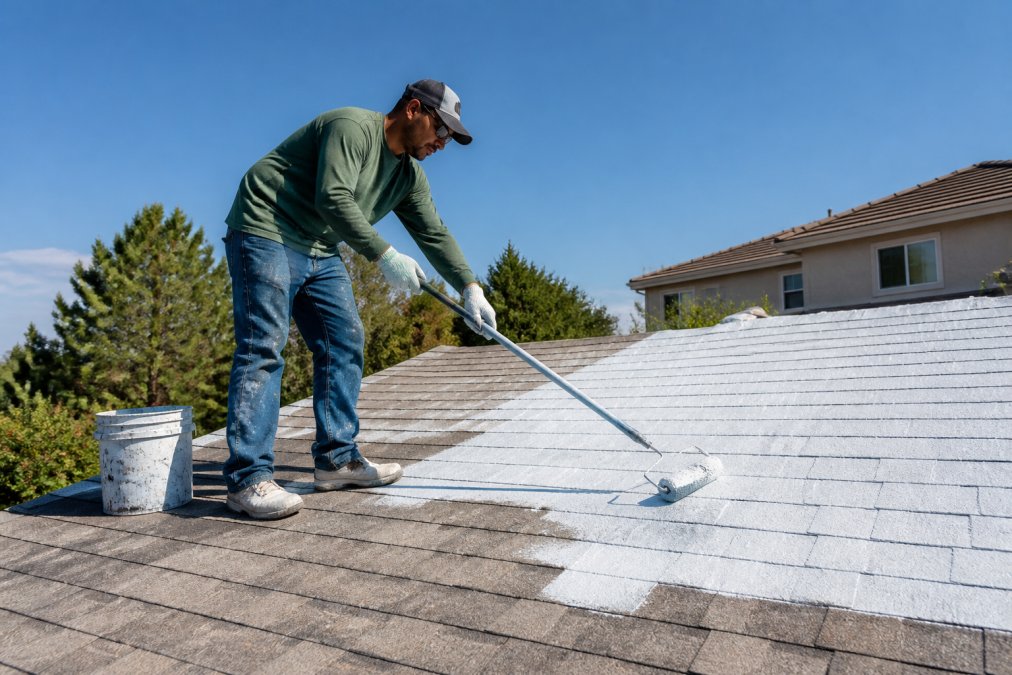
Plant based roof coatings are reflective, bio-based sealants made from renewable resources like soybean oil that restore aging roof surfaces instead of replacing them. This shift matters because a roof is one of the most expensive components of any property, and the traditional response to wear has always been tear-off and replacement. FRESH TEC has built its roof rejuvenation service around this category, using patented GreenSoy™ Technology to restore asphalt shingles and extend their lifespan by 6-8 years (usda.gov).
The appeal is straightforward: you treat the roof you already have, at a fraction of replacement cost, with a formula that isn't petroleum-derived.
The Science Behind Plant Based Formulas
Bio-based coatings work on the same principle as conventional sealants: a penetrant soaks into the shingle or membrane, replenishing the oils that UV degradation has stripped out. The difference is the feedstock. Plant-derived oils replace much of the petrochemical content, which lowers VOC emissions while keeping the flexibility that lets a roof expand and contract through temperature swings without cracking (the EPA).
Application thickness and curing time are the two variables that decide whether the formula performs. Too thin, and the coating wears through in a season. Too thick, and it skins over before it penetrates.
How Plant Based Coatings Compare to Traditional Products
The honest answer is that both categories work, and the right pick depends on substrate and climate. What most guides miss is that the two are not interchangeable on every roof.
| Factor | Plant-Based Coatings | Traditional Petroleum Coatings |
|---|---|---|
| Feedstock | Renewable, plant-derived oils | Petrochemical base |
| VOC profile | Generally lower | Often higher |
| Flexibility | High; resists thermal cycling | Varies by formulation |
| Best for | Shingle rejuvenation, cool roof goals | Some membrane repairs |
| Sustainability story | Strong | Limited |
Key Benefits for Homeowners and Property Managers
Three benefits drive most of the demand: lower cooling costs, a longer roof lifespan, and a smaller environmental footprint. The first two show up on your utility bill and your maintenance budget. The third shows up in how the material is made and where it ends up.
Energy Efficiency and Cooling Cost Reduction
A cool roof reflects solar radiation instead of absorbing it, which lowers the thermal load on the building envelope and reduces how hard the air conditioning has to work. FRESH TEC's flat roof coatings reflect 90% of UV rays, and that reflectance is the mechanism behind the cooling benefit. Solar reflectance and emissivity are the two numbers that matter: reflectance bounces sunlight away, emissivity releases absorbed heat.
For property managers running multiple units, the compounding effect across a portfolio is where the savings concentrate.
Extending Roof Lifespan and Durability
Shingle rejuvenation targets the failure mode that actually kills most asphalt roofs: the loss of flexibility as oils leach out under UV exposure. Restoring that flexibility delays the cracking and curling that lead to leaks. FRESH TEC backs its roof rejuvenation work with a 6-year warranty, which is a reasonable proxy for how long the treatment is expected to hold up under normal conditions.
Environmental Impact and Sustainability
The sustainability case rests on three things: renewable resources instead of petrochemical replacement, reduced landfill waste because you're not tearing off tons of shingle, and lower VOC emissions during and after application. A restored roof also keeps its existing materials in service rather than sending them to a landfill decades early. For building owners pursuing LEED credits, reflective coatings can contribute to the heat island and energy performance categories, though credit eligibility depends on the specific project and rating system version.
How Long Does Roof Rejuvenation Last?
Roof rejuvenation typically lasts 6-8 years on asphalt shingles when the roof is a good candidate and the coating is applied correctly. That range assumes moderate UV exposure, proper surface prep, and no pre-existing structural damage. Harsh sun and freeze-thaw cycling shorten it; shaded roofs in mild climates stretch it.
Two factors move the number more than anything else. The first is roof condition at application: a roof already curling and cracking won't hold a coating as long as one treated early. The second is maintenance. A visual inspection each year, with touch-ups on high-wear areas, keeps the coating performing across its full service window.
Benefits of Roof Rejuvenation vs Replacement
Rejuvenation costs a fraction of full replacement and takes a day instead of a week, which is why it appeals to anyone managing a budget or a tenant schedule. Replacement wins on one point: if the roof structure is compromised, no coating fixes that.
Here's the decision framework that matters:
- Choose rejuvenation if shingles are intact but aging, you want to defer a major capital expense, or you're prepping a property for sale.
- Choose replacement if there's active leaking, widespread shingle loss, or soft decking.
- Choose rejuvenation as a bridge if you're selling within a few years and want curb appeal without a full tear-off.
For realtors, the practical angle is that a restored roof looks better in listing photos and removes an objection buyers raise during inspection. It doesn't replace disclosure requirements, but it changes the conversation.
What Is Sustainable Flat Roof Coating?
A sustainable flat roof coating is a reflective, low-VOC sealant applied to a flat or low-slope membrane to restore waterproofing and improve energy performance without a full tear-off. It typically uses bio-based or plant-derived content, and it works as a cool roof layer that reflects solar radiation and reduces thermal load on the building.
The sustainability claim rests on three measurable outcomes: reduced landfill waste from avoided tear-off, lower VOC emissions compared to solvent-heavy alternatives, and improved energy efficiency through solar reflectance. For flat roofs specifically, the coating also addresses stormwater management indirectly by keeping the membrane intact and reducing the need for replacement materials. Where a building owner wants to support biodiversity or green infrastructure goals, a cool roof coating is one piece of a larger strategy, not a standalone solution.
Application, Maintenance, and Compatibility
Compatibility is where most coating projects fail, and it's the part the marketing brochures skip. A coating has to bond to the substrate it's applied to, and not every formula works on every roof.
Matching Coatings to Your Roof Substrate
Asphalt shingles, modified bitumen, EPDM, TPO, and metal each behave differently under a coating. Asphalt shingles absorb a penetrant well because they're porous. Single-ply membranes often need a primer or a different formulation entirely. Applying the wrong coating to a membrane can cause adhesion failure within a season.
ASTM International standards for roofing materials publishes the test methods manufacturers use to verify adhesion and weathering performance, which is a useful reference when you're evaluating a product's claims.
Re-application Cycles and VOC Safety
Plan on a re-application every 6-8 years, or sooner if annual inspections reveal thinning on sun-facing slopes. VOC emissions matter most during application and the curing window; low-VOC, plant-based formulas reduce the solvent load, but proper ventilation and cure time still apply. If you have kids, pets, or a sensitive occupant, ask for the safety data sheet before work begins and confirm the cure window before anyone returns to the roof area.
Frequently Asked Questions
What are the primary environmental benefits of plant-based roof coatings?
Plant-based roof coatings replace petrochemical ingredients with renewable, plant-derived resources, reducing the carbon footprint of roof maintenance. They also cut landfill waste because restoring a roof keeps old shingles out of dumps. Many formulas have low VOC emissions, improving air quality compared to solvent-heavy sealants. Bio-based coatings can support LEED credits for sustainability goals and help manage stormwater when used on flat roofs.
How do bio-based roof coatings compare to traditional acrylic or polyurethane options?
Bio-based coatings often match or exceed traditional acrylic and polyurethane products in flexibility and UV resistance, but they use renewable resources instead of petroleum. They typically have lower VOC emissions and less odor during application. Performance depends on the specific formula and substrate, so check compatibility with your roof membrane. Plant-based options may cost more upfront, but they can reduce long-term environmental impact and support green building certifications.
Can plant-based coatings effectively extend the lifespan of asphalt shingles?
Yes. Plant-based coatings penetrate shingles to restore flexibility and replace lost oils, which slows UV degradation and curling. This roof rejuvenation can add 6 to 8 years of life to asphalt shingles at a fraction of replacement cost. The coating also improves solar reflectance and emissivity, lowering thermal load on the roof. For best results, apply before shingles are too damaged and follow the manufacturer's application thickness and curing time guidelines.
Are there any performance trade-offs when choosing eco-friendly roof coatings?
Some plant-based coatings may have longer curing times or require specific application temperatures compared to solvent-based products. They might not perform as well on certain substrates without a primer. However, many modern bio-based formulas offer comparable durability, flexibility, and UV resistance. The key is to match the coating to your roof type and climate. In hot, sunny regions, plant-based coatings with high solar reflectance can actually outperform traditional dark coatings by reducing heat absorption.
Roof maintenance decisions come down to timing: treat a roof while it still has life left, and you defer replacement by years. Miss that window, and you're paying for a tear-off. FRESH TEC offers free inspections, plant-based GreenSoy™ formulas, flat roof coatings that reflect 90% of UV rays, and a 6-year warranty on roof rejuvenation work. Book a free inspection with FRESH TEC and find out whether your roof is a candidate for restoration before replacement becomes the only option.