 ultimate-guide
How to Increase Home Curb Appeal: A Complete Guide
Table of Contents
- Why Curb Appeal Matters for Your Property Value
- Roof Rejuvenation Benefits and How It Transforms Your Exterior
- Low-Cost Exterior Home Improvements That Make an Impact
- Landscaping and Foundation Bed Maintenance
- Cleaning and Pressure Washing Your Exterior
- Outdoor Lighting and Fixture Upgrades
- Curb Appeal Checklist for Homeowners
- Quick Wins vs. Long-Term Investments
- Frequently Asked Questions
Last Updated: September 28, 2026
Why Curb Appeal Matters for Your Property Value
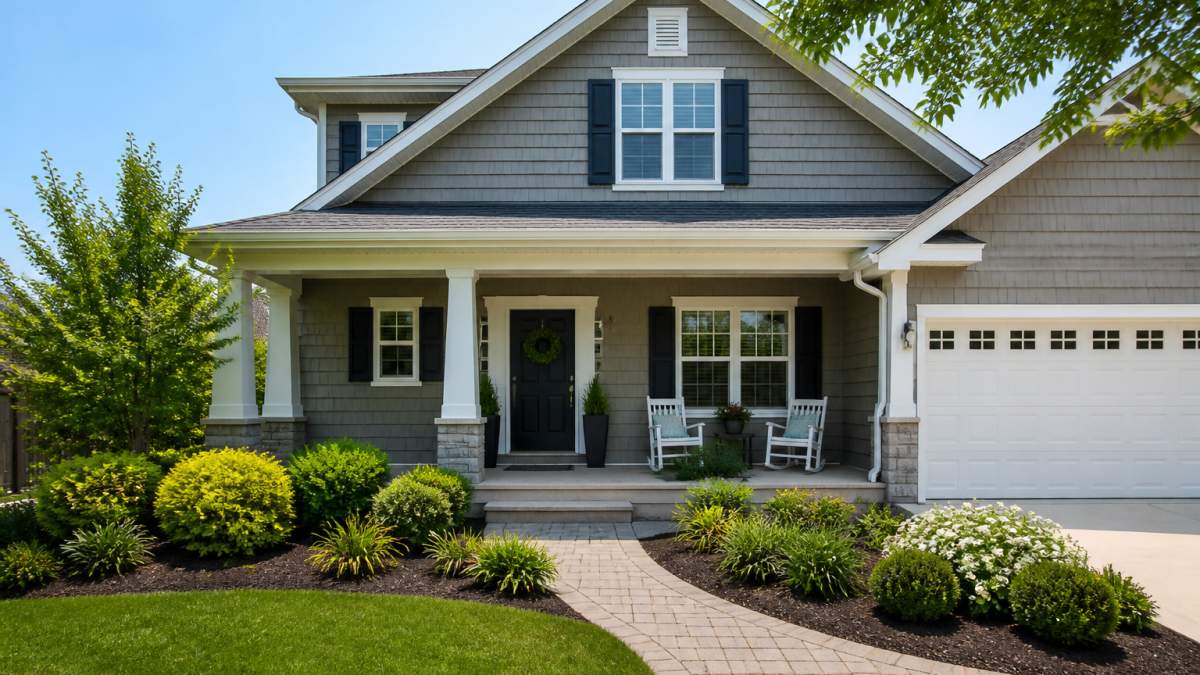
Your home's exterior is the first impression potential buyers, guests, and neighbors form about your property, making it essential to increase home curb appeal. That first impression directly influences perceived property value. A well-maintained exterior signals that the entire home receives proper care, while a neglected one suggests hidden problems inside.
Roof Rejuvenation Benefits and How It Transforms Your Exterior
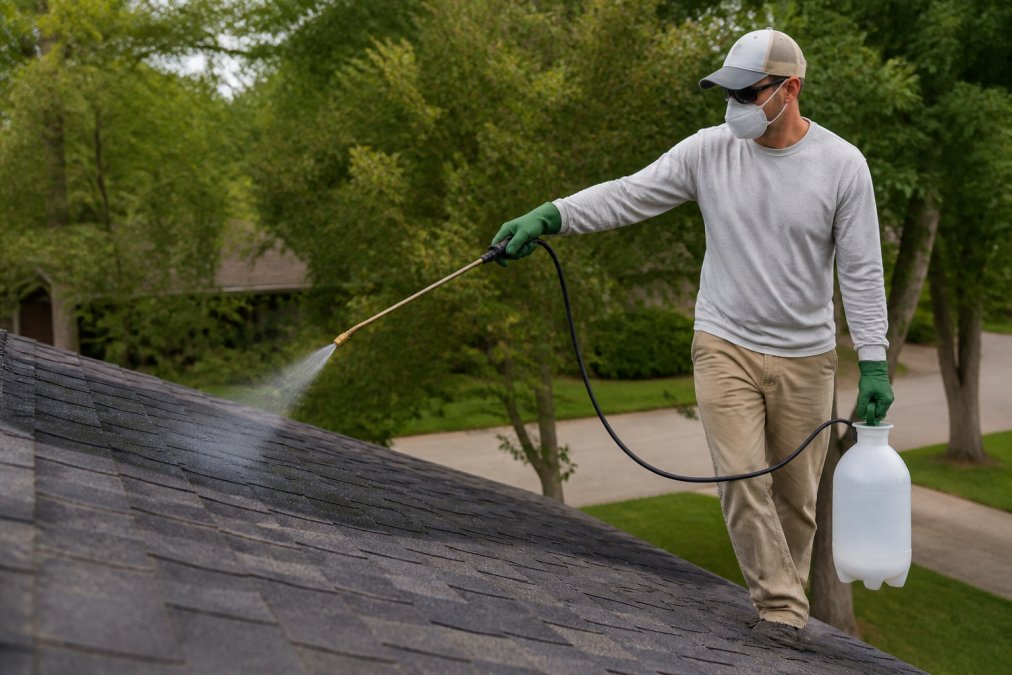
Your roof dominates curb appeal. Roof rejuvenation extends asphalt shingle lifespan by 6-8 years using plant-based restoration technology, restoring color without full replacement costs.
Roof rejuvenation preserves materials and signals quality to buyers.
Low-Cost Exterior Home Improvements That Make an Impact
Strategic, budget-friendly improvements increase home curb appeal and deliver outsized returns in hours rather than weeks by targeting visible areas.
Paint Your Front Door and Trim
Your front door is the focal point of entry. Fresh exterior paint in a color that contrasts with your home's primary color creates immediate visual impact and signals attention to detail.
Update House Numbers and Hardware
House numbers and hardware disproportionately affect curb appeal. Modern, visible numbers and matched hardware finishes signal a well-maintained property.
Add Window Boxes and Decorative Shutters
Window boxes with seasonal flowers add color and dimension. Pair them with decorative shutters that frame windows and add architectural depth.
Landscaping and Foundation Bed Maintenance
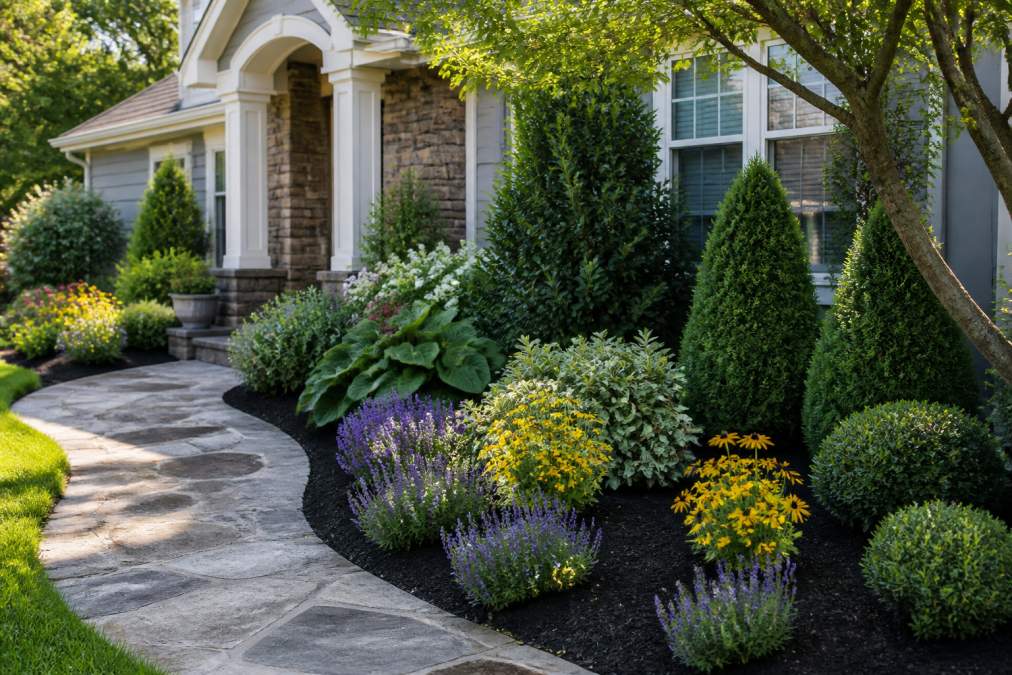
Well-designed foundation beds frame your home. Create layered depth with varying plant heights, colors, and textures.
Choose Perennials and Evergreen Shrubs
Perennials provide reliable color without replanting. Evergreen shrubs maintain visual interest year-round. A balanced mix creates year-round curb appeal.
Mulch Beds and Seasonal Color
Fresh mulch defines planting areas, suppresses weeds, and creates clean lines. Refresh annually in spring.
Cleaning and Pressure Washing Your Exterior
Pressure washing removes years of dirt and algae buildup, revealing original color and texture. The transformation is immediate.
Outdoor Lighting and Fixture Upgrades
Outdoor lighting enhances safety and curb appeal by highlighting architectural features and creating ambiance. Fixture quality and placement directly affect longevity and visual impact.
Lighting Layers and Placement Strategy
Use three lighting layers: ambient (overall visibility), task (steps, driveways, pathways), and accent (architectural features and landscaping).
Fixture Types and Specifications
Match fixture style to architecture: modern (clean lines), traditional (decorative details, bronze/black), or Craftsman (geometric patterns).
Smart Home Integration and Control
Smart lighting allows remote control, dimming, and automated schedules. Motion sensors add security while reducing energy consumption.
Installation and Maintenance Considerations
Hardwired outdoor lighting requires running electrical conduit from your home's main panel or a dedicated circuit. This work typically requires a licensed electrician and permits. Solar and battery-powered alternatives eliminate this cost but may require seasonal battery replacement and offer lower brightness levels.
Fixture Finish Consistency
Consistent finishes across all outdoor fixtures create a cohesive, intentional appearance. Mixing finishes, combining bronze, black, stainless steel, and brass, creates visual confusion that undermines curb appeal. Select a primary finish (typically bronze, black, or stainless steel) and apply it consistently across all visible fixtures: sconces, path lights, porch lights, and any decorative elements.
Curb Appeal Checklist for Homeowners
Systematic evaluation ensures you address the most impactful improvements first. This checklist prioritizes changes by visual impact and cost-effectiveness.
| Improvement | Visual Impact | Cost Level | Effort |
|---|---|---|---|
| Front door paint | High | Low | 1-2 hours |
| Trim paint | High | Low | 4-6 hours |
| House numbers/hardware | Medium | Low | 1 hour |
| Pressure washing | High | Medium | 2-4 hours |
| Mulch refresh | Medium | Low | 2-3 hours |
| Window boxes | Medium | Low | 1-2 hours |
| Landscaping additions | High | Medium | 4-8 hours |
| Outdoor lighting | High | Medium | 3-5 hours |
Quick Wins vs. Long-Term Investments
Quick wins deliver immediate visual impact with minimal investment and serve as the strategic starting point for curb appeal improvements. These projects should be prioritized first because they establish baseline visual appeal while you plan larger investments. Paint, mulch, cleaning, and hardware upgrades produce visible results in a single weekend.
ROI Analysis: Which Projects Increase Property Value
Not all curb appeal improvements deliver equal returns on investment. Understanding which projects actually increase property value versus those that simply improve appearance helps prioritize your budget strategically.
High-ROI Projects (70-100% cost recovery):
- Front door replacement: A new entry door costs $1,500 to $3,500 installed and typically recovers 80-100% of cost at resale. Buyers perceive the front door as a security and aesthetic priority, making this one of the highest-return exterior improvements.
- Driveway repair or resurfacing: Asphalt resurfacing costs $3 to $10 per square foot. A 500-square-foot driveway costs $1,500 to $5,000 and recovers approximately 80-90% of cost. Buyers immediately notice cracked or deteriorated driveways as a sign of deferred maintenance.
- Roof repair or rejuvenation: A deteriorated roof signals expensive problems to buyers. Roof rejuvenation costs $1,500 to $3,000 and extends roof life by 6-8 years while recovering 85-95% of cost. Full roof replacement costs $8,000 to $15,000 and recovers 60-80% depending on market conditions.
- Landscaping improvements: Strategic landscaping with quality plants, mulch, and hardscaping costs $2,000 to $8,000 and recovers 75-100% of cost. Mature landscaping is one of the first things buyers evaluate and directly influences perceived property value.
Moderate-ROI Projects (50-70% cost recovery):
- Exterior paint: A full exterior paint job costs $3,000 to $8,000 and recovers 50-70% of cost. While essential for curb appeal, paint is considered maintenance rather than an upgrade, so ROI is lower than structural improvements.
- Siding repair or replacement: Partial siding repair costs $1,500 to $4,000 and recovers 60-75% of cost. Full siding replacement costs $15,000 to $30,000 and recovers 50-70% depending on material choice.
- Outdoor lighting upgrades: Smart lighting and fixture upgrades cost $1,000 to $3,000 and recover 50-70% of cost. While lighting improves evening curb appeal and security, it's perceived as an aesthetic enhancement rather than a structural necessity.
Lower-ROI Projects (30-50% cost recovery):
- Decorative shutters and window boxes: These purely decorative elements cost $500 to $2,000 and recover 30-50% of cost. While they improve appearance, they don't address structural concerns or functional needs.
- Seasonal plantings and annuals: Annual flowers cost $200 to $800 per season and recover minimal cost at resale. These are maintenance expenses rather than investments, though they're essential for seasonal curb appeal.
- Pressure washing: Professional pressure washing costs $300 to $800 and recovers 30-40% of cost. It's essential maintenance that prevents deterioration but doesn't add lasting value.
Strategic Sequencing for Maximum Impact
The most cost-effective approach combines quick wins with high-ROI long-term investments. Start with projects that address visible structural concerns: roof condition, driveway integrity, and siding damage. These improvements signal to buyers that the home is well-maintained and reduce concerns about hidden problems.
Maintenance-Free and Low-Maintenance Alternatives
Busy homeowners benefit from selecting curb appeal improvements that require minimal ongoing maintenance. Synthetic mulch, composite decking, and metal roofing reduce seasonal maintenance compared to traditional materials. Perennial plants and native species require less watering and fertilizing than annuals. Smart irrigation systems with soil moisture sensors eliminate guesswork and reduce water waste.
Frequently Asked Questions
How much does improving curb appeal actually increase home value?
Curb appeal directly affects how potential buyers perceive your property's market value. First impressions matter: homes with strong exterior design and well-maintained landscaping consistently attract more buyer interest and command higher offers. While the exact increase depends on your market and the specific improvements you make, research shows that strategic exterior upgrades, particularly landscaping, fresh paint, and roof maintenance, rank among the highest ROI home improvements. Focus on visible, high-impact changes rather than hidden upgrades.
What are the roof rejuvenation benefits compared to roof replacement?
Roof rejuvenation using plant-based technology extends your roof's lifespan by 6-8 years at a fraction of replacement cost, making it one of the most budget-friendly exterior improvements available. It restores the appearance of aging shingles, improves your home's aesthetic, and protects your investment without the disruption and expense of full replacement. Rejuvenation works best on roofs showing early signs of wear; if your roof has significant structural damage or curling shingles, professional assessment is needed to determine viability. The process is eco-friendly and backed by an industry-leading 6-year warranty.
What low-cost exterior home improvements deliver the fastest results?
The quickest wins include painting your front door (instant visual impact), updating house numbers and hardware, pressure washing your driveway and exterior surfaces, and adding fresh mulch to foundation beds. These improvements cost far less than structural repairs and create an inviting entrance within days. Seasonal annuals in window boxes or foundation beds add color without major expense. For maximum curb appeal on a tight budget, combine these quick projects with outdoor lighting upgrades and landscaping maintenance, all deliver noticeable results at modest investment.
How often should I maintain my landscaping and mulch beds?
Mulch beds should be refreshed annually (typically spring) to maintain color, suppress weeds, and protect plant roots. Perennials and evergreen shrubs require seasonal pruning and deadheading to encourage growth and maintain shape. Inspect foundation beds monthly for weeds, debris, and signs of pest damage. In dry climates, check soil moisture regularly, consistent watering keeps plants healthy and your exterior looking polished. Seasonal color (annuals) should be replanted or refreshed twice yearly for year-round visual appeal. Regular maintenance prevents costly landscape repairs and keeps your property's aesthetic strong.
Is eco-friendly exterior maintenance as effective as traditional methods?
Yes. Plant-based exterior care solutions deliver the same protective and aesthetic results as traditional chemical treatments while being safer for your family, pets, and the environment. Eco-friendly roof rejuvenation and gutter cleaning extend asset lifespan and improve appearance without harsh chemicals. Many homeowners prefer sustainable methods because they reduce environmental impact without compromising performance. Professional eco-friendly services are backed by an industry-leading 6-year warranty, ensuring your investment is protected. The choice between traditional and eco-friendly approaches often comes down to your values and local availability.
What exterior features most negatively impact curb appeal?
Visible damage, cracked driveways, peeling paint, damaged siding, missing or deteriorating roof shingles, and overgrown landscaping, immediately diminishes property appeal. Broken gutters, outdated house numbers, dark or broken outdoor lighting, and neglected foundation beds signal poor maintenance. Cluttered porches, dead plants, and visible debris also detract significantly. These issues suggest the home may have hidden problems, making buyers hesitant. Addressing the most visible problems first (roof condition, driveway appearance, landscaping) has the highest impact on perceived property value and buyer confidence.
Can I improve curb appeal without major renovation costs?
Absolutely. Start with maintenance: pressure wash your exterior surfaces, clean windows, refresh mulch beds, and plant seasonal annuals. Paint your front door and update hardware for instant visual impact. Add or upgrade outdoor lighting to highlight your home's best features. These projects cost significantly less than siding replacement or major landscaping overhauls but deliver strong results. For roof appearance, rejuvenation services extend shingle life at a fraction of replacement cost. Prioritize high-visibility improvements that require modest budgets, landscaping, paint, lighting, and hardware, before investing in structural upgrades.
How does professional exterior maintenance differ from DIY curb appeal projects?
Professional services like roof rejuvenation, pressure washing, and gutter cleaning require specialized equipment, expertise, and safety protocols that DIY approaches may not match. Professionals deliver consistent, warranty-backed results and handle hazardous tasks safely. DIY projects like painting trim, planting annuals, and updating hardware are cost-effective and achievable for most homeowners. The best approach combines professional services for high-impact, technical work (roof and driveway restoration) with DIY maintenance and decorative updates (landscaping, paint, hardware). This strategy maximizes curb appeal while controlling costs and ensuring quality results.