 ultimate-guide
Roof Rejuvenation Warranty Explained: Coverage, Terms & Claims
Table of Contents
- What Is Roof Rejuvenation and Why Warranties Matter
- Does Roof Rejuvenation Void Your Shingle Warranty?
- Understanding Roof Rejuvenation Service Agreement Terms
- Average Lifespan of Roof Rejuvenation Treatment
- Warranty Transferability and What Happens When You Sell
- How to File a Roof Rejuvenation Warranty Claim
- Evaluating a Contractor's Warranty: What to Verify
- Frequently Asked Questions
Last Updated: September 21, 2026
What Is Roof Rejuvenation and Why Warranties Matter
Roof rejuvenation restores flexibility and water resistance to aging asphalt shingles by replenishing oils stripped by weather and UV exposure. This process extends shingle lifespan by 6-8 years at a fraction of replacement costs. The warranty backing a rejuvenation service is the critical differentiator between treatments that deliver real value and those that don't.
A roof rejuvenation warranty protects your investment by guaranteeing the treatment will perform as promised. Without it, you're betting on a contractor's reputation alone.
Understanding warranty terms, coverage limits, transferability, and claims process is essential before committing. This guide breaks down what warranty language means, what gets covered, and how to verify a contractor's commitment.
Does Roof Rejuvenation Void Your Shingle Warranty?
No, roof rejuvenation does not automatically void your manufacturer's shingle warranty. However, this answer comes with critical nuance that determines whether your original warranty remains valid.
Manufacturer warranties typically cover defects in materials and workmanship. Most manufacturers don't explicitly prohibit rejuvenation services, but many reserve the right to deny claims if the treatment contributed to the failure.
If a manufacturer discovers that a rejuvenation product altered the shingle's surface, they may deny the claim. Plant-based treatments like GreenSoy™ Technology are designed to work with asphalt shingles, preserving manufacturer coverage while restoring performance.
Contact your shingle manufacturer before treatment and ask about restrictions on rejuvenation products. Document their response to protect yourself if a dispute arises later.
Understanding Roof Rejuvenation Service Agreement Terms
A roof rejuvenation service agreement is a contract outlining what the treatment includes, what it guarantees, and what happens if performance falls short.
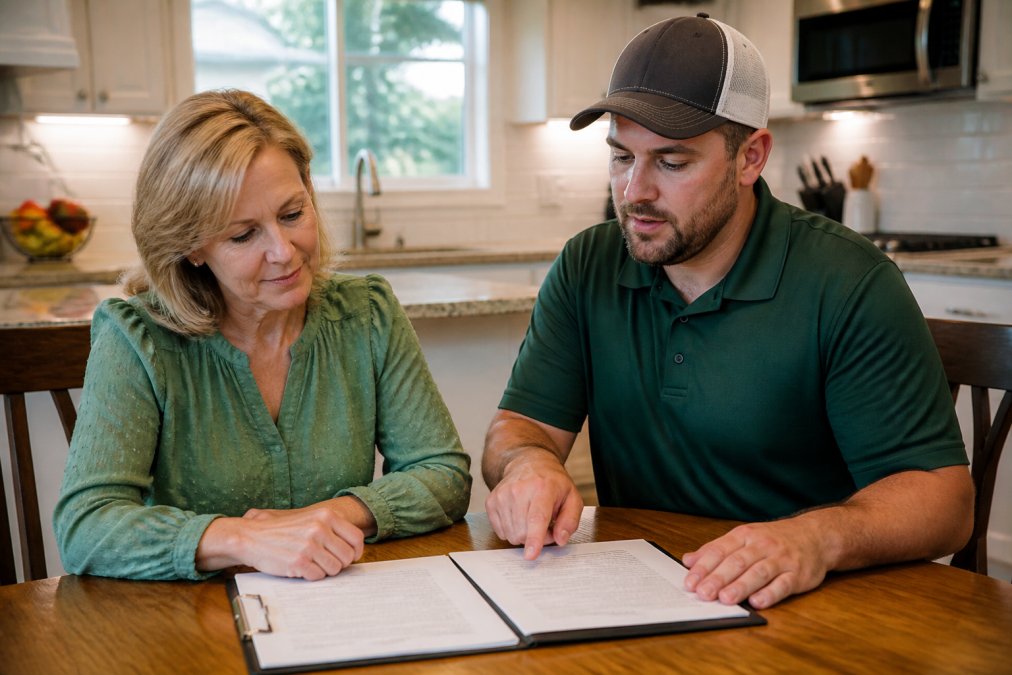
The agreement specifies the application process, number of coats, drying time, warranty period (commonly 6 years), coverage area, and maintenance requirements. Many warranties are voided if you fail to maintain your roof properly.
What Coverage Includes
Roof rejuvenation warranty coverage typically includes protection against premature granule loss, brittleness, adhesion failure, and water infiltration caused by treatment failure.
Coverage extends to structural damage directly caused by treatment failure. However, coverage does not extend to damage from wind, hail, or poor maintenance. The warranty protects the treatment's performance, not your roof against all possible damage.
Coverage typically applies to the treated roof surface only. This matters if you're planning future treatments or selling the home.
Common Exclusions and Limitations
Warranties typically exclude damage from severe weather, foot traffic, improper maintenance, debris accumulation, or other contractors' work performed after treatment.
A critical exclusion is "normal weathering." The warranty doesn't cover gradual deterioration after the treatment period ends. Understanding the treatment's lifespan helps you know when warranty protection actually expires.
Proration schedules are common: warranty value decreases over time. A non-prorated warranty covers full replacement cost throughout the term. A prorated warranty might cover 100% in year one, declining to 20% by year six. Always verify before signing.
Average Lifespan of Roof Rejuvenation Treatment
A quality roof rejuvenation treatment typically extends asphalt shingle lifespan by 6-8 years under normal conditions. This means a roof that had 5-7 years of useful life remaining might reach 12-15 years total before replacement becomes necessary.
The actual lifespan depends on several factors: climate, roof orientation, maintenance frequency, and the quality of the rejuvenation product and application. Roofs in harsh climates with extreme temperature swings, heavy UV exposure, or frequent moisture may see shorter effective life. Roofs in moderate climates with good maintenance may reach the upper end of the 6-8 year range.
Preventative maintenance directly impacts longevity. Clearing debris, ensuring gutters drain properly, and addressing minor damage immediately all extend the treatment's effectiveness. Many warranties require documented maintenance to remain valid. Neglecting maintenance can void coverage even if the treatment itself is performing well.
The rejuvenation warranty period (typically 6 years) is not the same as the treatment lifespan. The warranty guarantees performance for 6 years. The actual benefit may extend beyond that, but you lose the contractual protection once the warranty expires. Understanding this distinction prevents the common mistake of assuming coverage continues indefinitely.
Warranty Transferability and What Happens When You Sell
Warranty transferability determines whether your warranty protection transfers to the next homeowner if you sell the property. This is a major selling point and can significantly impact your home's appeal to buyers.
Many roof rejuvenation warranties are transferable to the next owner, but transferability often comes with conditions. The contractor may require notification of the sale, completion of a transfer form, and sometimes a transfer fee (typically $50-$200). The new owner may inherit the remaining warranty period at no additional cost, or the warranty may be reduced to a shorter period for subsequent owners.
Some warranties are non-transferable, meaning coverage ends when you sell. This significantly reduces the treatment's value as a home improvement because it provides no benefit to future buyers. When comparing contractors, ask directly whether their warranty transfers and what conditions apply.
Transferability matters most if you're selling within the warranty period. A 6-year warranty on a roof rejuvenation treatment performed in year one of your ownership becomes a 5-year warranty for the new owner if the home sells in year two. This remaining coverage is a tangible asset that can make your property more attractive to buyers and justify a higher asking price.
Document the warranty transfer process in writing. Include the original treatment date, the warranty expiration date, any maintenance performed, and the contractor's contact information. When you sell, provide this documentation to the new owner and the real estate agent. Transparency about warranty coverage builds trust and can accelerate the sale.
How to File a Roof Rejuvenation Warranty Claim
Filing a warranty claim requires documentation and a clear understanding of what the warranty actually covers. Most contractors have a formal claims process that begins with notification of the problem.
Contact the contractor as soon as you notice a potential issue covered by the warranty. Describe the problem in detail: location on the roof, visible symptoms (granule loss, brittleness, curling, leaks), and when you first noticed it. The contractor will typically schedule an inspection to determine whether the issue falls within warranty coverage.
During the inspection, the contractor assesses whether the problem is caused by treatment failure or by other factors (weather, maintenance neglect, structural issues). This assessment is crucial because it determines whether the claim is approved or denied. Be prepared to discuss your maintenance history and any other work performed on the roof since treatment.
If the claim is approved, the contractor outlines the repair or replacement options and the warranty's financial responsibility.
Evaluating a Contractor's Warranty: What to Verify
Not all roof rejuvenation warranties are created equal. The terms, coverage limits, and contractor's financial stability to back the promise vary significantly. Before hiring a contractor, verify several key elements of their warranty.
| Warranty Element | What to Look For | Red Flag |
|---|---|---|
| Warranty Period | 6 years minimum; longer is better | Less than 3 years |
| Proration | Non-prorated preferred; ask for specifics | Prorated without clear schedule |
| Transferability | Transferable with reasonable conditions | Non-transferable |
| Coverage Details | Written specifics on what's included/excluded | Vague language like "covers most damage" |
| Contractor Stability | 10+ years in business, licensed, insured | New business, no verifiable history |
| Claims Process | Clear, documented steps with timeframes | No written process provided |
Frequently Asked Questions
What exactly does a roof rejuvenation warranty cover?
Roof rejuvenation warranties typically cover manufacturer defects in materials and workmanship, protection against premature asphalt oxidation and shingle deterioration, and loss of shingle flexibility and adhesion caused by the treatment application. Coverage generally includes damage from weathering, UV degradation, and thermal cycling that occurs during the warranty period. However, most warranties exclude damage from improper maintenance, severe weather events like hail, foot traffic, or installation errors. Always review your specific service agreement to understand exactly what your provider guarantees and any conditions that must be met to maintain coverage.
Does roof rejuvenation void my original shingle manufacturer's warranty?
This depends entirely on your shingle manufacturer and the rejuvenation treatment used. Some manufacturers void warranties when any third-party coating or treatment is applied, while others allow rejuvenation if it uses approved materials and is applied by certified contractors. Plant-based treatments like GreenSoy™ Technology are generally less likely to trigger warranty voidance than petroleum-based sealants. Contact your shingle manufacturer directly with details about the rejuvenation product and application process before treatment. Many reputable rejuvenation providers can supply documentation proving their process won't void existing coverage.
How long do roof rejuvenation warranties typically last?
Most roof rejuvenation warranties range from 3 to 6 years, with some premium providers offering extended coverage. The warranty period reflects the expected lifespan of the treatment itself, typically 6 to 8 years of extended roof life, though the guarantee covers performance during the contracted warranty window. Factors affecting warranty length include the treatment type, application quality, climate conditions, and maintenance compliance. Be aware that warranty coverage may be prorated in later years, meaning claims filed near the end of the warranty period may receive reduced compensation.
What should I look for when evaluating a roof rejuvenation contractor's warranty?
Verify that the contractor is licensed and insured, and request a written warranty document that clearly specifies coverage period, what is and isn't covered, any maintenance requirements, transferability terms, and the claims process. Ask whether the warranty is non-prorated or prorated, and at what point proration begins. Request references from past customers and check how the contractor has handled warranty claims. Confirm the treatment product's compatibility with your shingle manufacturer. They should be willing to answer detailed questions about their warranty terms before you commit.