 blog
99Restoration vs FreshRoof: Roof Rejuvenation Compared
Table of Contents
- How Roof Rejuvenation Works
- 99Restoration vs FreshRoof: Side-by-Side Comparison
- Asphalt Shingle Rejuvenation Cost: What to Expect
- Roof Restoration vs Replacement: When Rejuvenation Makes Sense
- How Often Should You Rejuvenate Your Roof?
- Key Factors to Choose Between Them
- Frequently Asked Questions
Last Updated: September 25, 2026
How Roof Rejuvenation Works
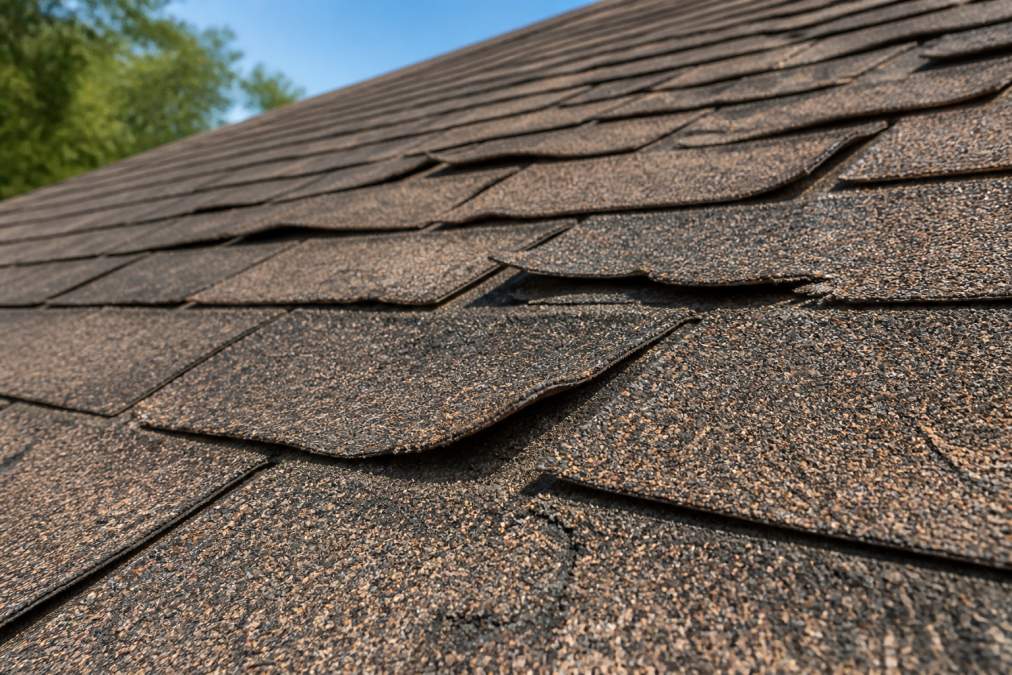
Roof rejuvenation is a process that restores flexibility and protective properties to aging asphalt shingles by reintroducing essential oils and binding compounds that weather and UV degradation have stripped away, making a roof rejuvenation comparison essential when evaluating restoration options. When shingles lose their oil saturation, they become brittle, prone to curling, and susceptible to water infiltration. A roof rejuvenation treatment penetrates the shingle substrate and restores the binding compounds that hold granules in place, extending the roof's functional lifespan by several years without the expense of full replacement.
Chemical Composition and How Treatments Work
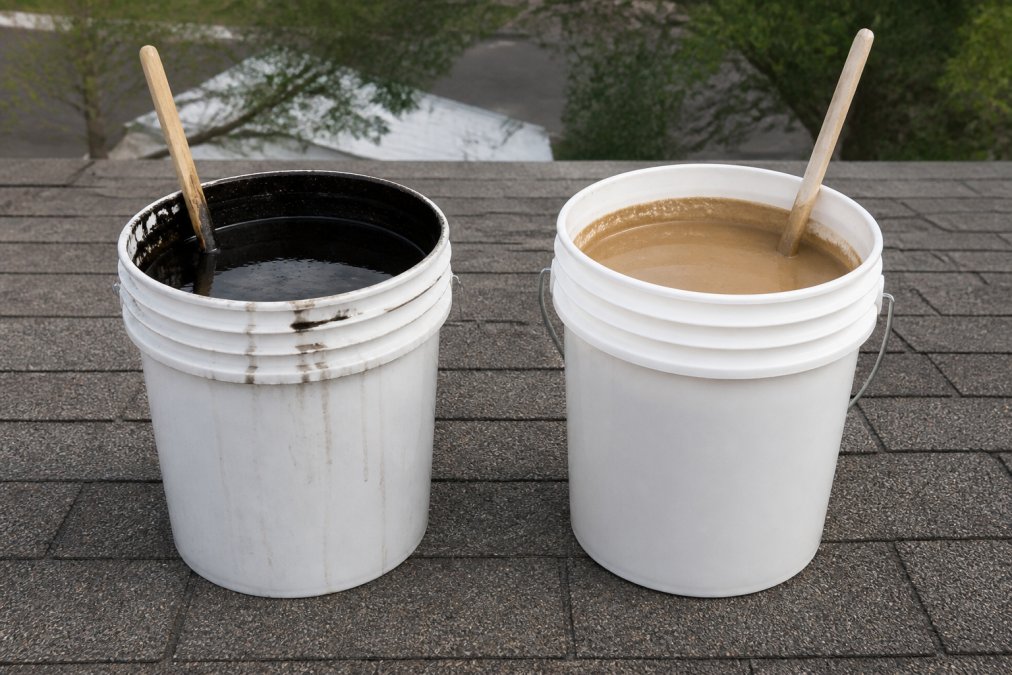
Modern roof rejuvenation formulas fall into two primary categories: petroleum-based and plant-based (typically soy or triglyceride derivatives). Petroleum-based treatments contain aromatic hydrocarbons and maltenes, the same compounds naturally present in new asphalt shingles. As shingles age, these volatiles evaporate due to thermal cycling and UV exposure, leaving behind harder, more brittle asphalt. Rejuvenation treatments restore these compounds, allowing the asphalt binder to regain flexibility and adhesion properties.
Plant-based formulas use modified triglycerides or bio-oils that chemically mimic petroleum maltenes. Laboratory testing shows both formulation types achieve similar penetration depth (typically 1/8 to 1/4 inch into the shingle substrate) and restore comparable flexibility metrics when measured by ASTM D36 softening point analysis. The key difference lies in volatility: petroleum formulas tend to cure faster (3-7 days to full set), while plant-based treatments may require 7-14 days for optimal cross-linking.
Substrate Interaction and Long-Term Structural Integrity
When applied correctly, rejuvenation treatments interact with the asphalt binder without degrading the fiberglass mat or mineral granule adhesion. The treatment works by restoring the plasticizer layer that holds granules mechanically and chemically bonded to the shingle surface. This is critical: rejuvenation does not add new material; it reactivates existing binding capacity.
However, long-term structural integrity depends on application depth and substrate condition. If the underlying asphalt has already begun to separate from the fiberglass mat (a condition called delamination), rejuvenation cannot restore that bond, it can only temporarily mask the symptom by improving surface flexibility. This is why pre-treatment inspection is essential. A roof with advanced delamination will show temporary improvement but will continue degrading structurally beneath the surface.
Application Process and Curing
Professional application involves three stages: surface cleaning (to remove debris and allow penetration), application (via spray, brush, or roll-on methods), and curing (during which the treatment hardens and cross-links with the asphalt binder). Spray application is fastest but requires precise equipment calibration to avoid over-saturation. Brush or roll-on methods offer better control but are more labor-intensive.
Curing time varies by climate. In warm, dry conditions (above 60°F with low humidity), most treatments set within 3-7 days. In cool or humid climates, curing can extend to 14-21 days. During this window, the roof should not be walked on and should not be exposed to heavy rain, as uncured treatment can wash off or cure unevenly. This timing consideration is often overlooked by homeowners but significantly impacts treatment effectiveness.
99Restoration vs FreshRoof: Side-by-Side Comparison
A roof rejuvenation comparison between 99Restoration and FreshRoof reveals differences in formula composition, warranty structure, and service approach. Understanding these differences helps homeowners and property managers make informed decisions about which service aligns with their needs and budget constraints.
Technology and Formula Differences
99Restoration uses a petroleum-based formula designed for rapid absorption and long-term granule retention. The approach focuses on deep penetration into the shingle substrate to restore oil saturation that weathering has removed. This method has been tested extensively across diverse climates and shows consistent results in stabilizing shingle flexibility.
FreshRoof employs a modified triglyceride formula, a soy-based alternative that delivers similar performance metrics while reducing reliance on petroleum products. The eco-friendly positioning appeals to environmentally conscious property owners, though the actual performance difference in field conditions remains marginal. Both formulas address the same core problem: restoring the protective coating that prevents UV degradation and moisture penetration.
The real distinction comes down to application philosophy. 99Restoration emphasizes rapid deployment and measurable performance across standard conditions. FreshRoof prioritizes sustainability messaging alongside performance, which can matter significantly to realtors and property managers concerned with curb appeal and brand alignment.
Warranty Coverage and Limitations
99Restoration typically offers a 5-year warranty covering treatment failure due to defective application or material breakdown. The warranty is straightforward but includes standard exclusions for severe weather events, improper roof maintenance, or pre-existing structural damage.
FreshRoof extends coverage to 6 years, matching what FRESH TEC LLC. offers through its industry-leading warranty. A longer warranty period signals confidence in product longevity, though the practical difference between 5 and 6 years depends on your roof's current condition and expected service timeline. Both warranties require professional application and routine maintenance to remain valid.
Homeowners should understand that no rejuvenation warranty covers complete roof failure or structural issues that predate treatment. These warranties protect against treatment-specific defects, not against the natural aging process or damage from severe weather. Read the fine print carefully, exclusions vary significantly between providers.
Asphalt Shingle Rejuvenation Cost: What to Expect
The cost of asphalt shingle rejuvenation depends on roof size, slope, accessibility, and the specific provider's pricing model. Rejuvenation typically costs significantly less than replacement, which makes it attractive for property owners managing multiple units or working within tight budgets.
Several factors influence final pricing. Larger roofs require more material and labor time. Steep slopes or complex roof designs increase labor costs due to safety requirements and application difficulty. Geographic location matters too, providers in high-cost markets charge more for the same service. Most providers offer free inspections to assess your roof's condition and provide accurate quotes.
When evaluating cost, compare the price difference between rejuvenation and replacement. Replacement can cost 5-10 times more than rejuvenation, making the rejuvenation option economically compelling for roofs that still have structural integrity but show weathering signs. For property managers overseeing multiple properties, rejuvenation on a rotation schedule often delivers better ROI than waiting until replacement becomes mandatory.
Roof Restoration vs Replacement: When Rejuvenation Makes Sense
Not every roof is a good candidate for rejuvenation. Understanding when restoration makes sense versus when replacement is necessary prevents wasted money and future damage. The decision also depends heavily on your regional climate, as rejuvenation efficacy varies significantly by environmental conditions.
Climate-Specific Efficacy Considerations
Rejuvenation treatments perform differently across regional climates, a factor most homeowners and even some contractors overlook. In high-UV environments (Southwest, high-altitude regions, or areas with intense summer sun), rejuvenation treatments degrade faster because UV exposure continues to oxidize the restored oils. A treatment that lasts 7-8 years in moderate climates may last only 5-6 years in intense UV zones. Conversely, in humid subtropical climates with moderate UV but high moisture and temperature cycling, rejuvenation can be highly effective because the primary degradation mechanism is moisture infiltration rather than oxidation, and rejuvenation directly addresses that by restoring water-shedding properties.
Freeze-thaw cycles present a different challenge. In northern climates where winter temperatures regularly drop below freezing, rejuvenation treatments can actually accelerate shingle failure if the restored oils trap moisture in the substrate. When water freezes, it expands, pushing granules loose and creating micro-fractures. This is why professional contractors in cold climates often recommend rejuvenation only in late spring or early summer, allowing the treatment to fully cure before winter moisture exposure. Applying rejuvenation in fall in a freeze-thaw climate is generally contraindicated.
High-humidity coastal environments present yet another pattern. Salt spray and moisture-laden air can degrade even well-applied treatments faster than inland locations. Roofs in these zones may see 4-5 year treatment life instead of the standard 6-8 year expectation.
Best candidates for rejuvenation by climate:
- Moderate UV, low humidity, stable temperatures: 7-8 year treatment life expected
- High UV, low humidity: 5-6 year treatment life; rejuvenation still cost-effective but requires more frequent reapplication
- High humidity, moderate UV, freeze-thaw cycles: 5-7 year life; apply in late spring only
- Coastal/salt-spray environments: 4-5 year life; rejuvenation less cost-effective unless roof is otherwise sound
Structural Condition Assessment
Rejuvenation works best on roofs showing early-to-moderate weathering signs: granule loss under 40%, color fading, minor curling, and loss of flexibility. If your shingles still have 5-10 years of potential lifespan remaining and the underlying structure is sound, rejuvenation extends that window considerably. This approach makes economic sense when replacement costs would strain your budget or when you're planning to sell within the next 3-5 years and want to improve curb appeal without major capital expenditure.
Replacement becomes necessary when structural damage is visible.
DIY vs. Professional Application: Critical Risks
While some homeowners attempt DIY roof rejuvenation to save labor costs, this approach carries significant risks that often outweigh savings.
Key risks of DIY application:
How Often Should You Rejuvenate Your Roof?
A single rejuvenation treatment typically lasts 6-8 years under normal conditions. Climate plays a significant role, roofs in harsh UV environments or areas with extreme temperature swings may see shorter treatment effectiveness. Routine maintenance between treatments extends the interval and improves overall performance.
Key Factors to Choose Between Them
Selecting between 99Restoration and FreshRoof depends on several practical considerations beyond just price and warranty length.
Frequently Asked Questions
How does roof rejuvenation extend the lifespan of asphalt shingles?
Roof rejuvenation restores the oils and flexibility that asphalt shingles lose over time due to UV degradation and oxidation. Plant-based formulas penetrate the shingle substrate and replenish the protective coating, reducing brittleness and curling. This process can extend service life by 6-8 years by restoring weather resistance and shingle adhesion, delaying the need for full replacement.
Is asphalt shingle rejuvenation cost-effective compared to roof replacement?
Yes. Roof rejuvenation typically costs a fraction of full replacement. For homeowners not ready to replace, rejuvenation is often a cost-effective maintenance option.
What makes plant-based roof treatments different from petroleum-based sealants?
Plant-based formulas, like those using soy-based or modified triglyceride technology, are eco-friendly and non-toxic, making them safer around children and pets. Plant-based options offer comparable performance in restoring oil saturation and flexibility while reducing environmental impact. Both types address UV degradation and brittleness.
How often should you rejuvenate your roof to maintain peak performance?
Most homeowners rejuvenate once every 6-8 years, depending on climate and roof exposure. Regions with intense UV exposure or extreme thermal expansion cycles may benefit from more frequent treatments. A professional roof inspection every 2-3 years helps identify early signs of granule loss or curling shingles, indicating when rejuvenation is needed. Regular maintenance cycles extend overall roof life and prevent premature replacement.
Roof rejuvenation extends the lifespan of aging asphalt shingles cost-effectively, but choosing the right provider determines whether you get genuine value or temporary relief. FRESH TEC LLC. offers professional roof rejuvenation backed by a 6-year warranty and sustainable GreenSoy™ Technology. Book a free inspection to assess your roof's condition and learn whether rejuvenation makes sense for your property.